
SXSW '26: Leviticus
The idea of sex and death being intertwined is a cliche going back to Freud, but that doesn't make it any less relevant when it comes to horror movies. Slashers often foreground sex as a precursor to grisly murders, an erotic thrill around death pervades the works of directors like David Cronenberg, and more than a few horror and horror-tinged films (like Teeth, Species, and It Follows) actively foreground the connection between these two fundamental concepts.
That's all to say that Leviticus, which had its Texas Premiere at SXSW in 2026, is not necessarily treading new ground by focusing its horror around sex and violence. But, if you'll pardon the cliche while discussing another cliche, the devil's in the details, and the texture that director Adrian Chiarella weaves through his story of two boys grappling with love and death in a small Australian town makes all the difference.
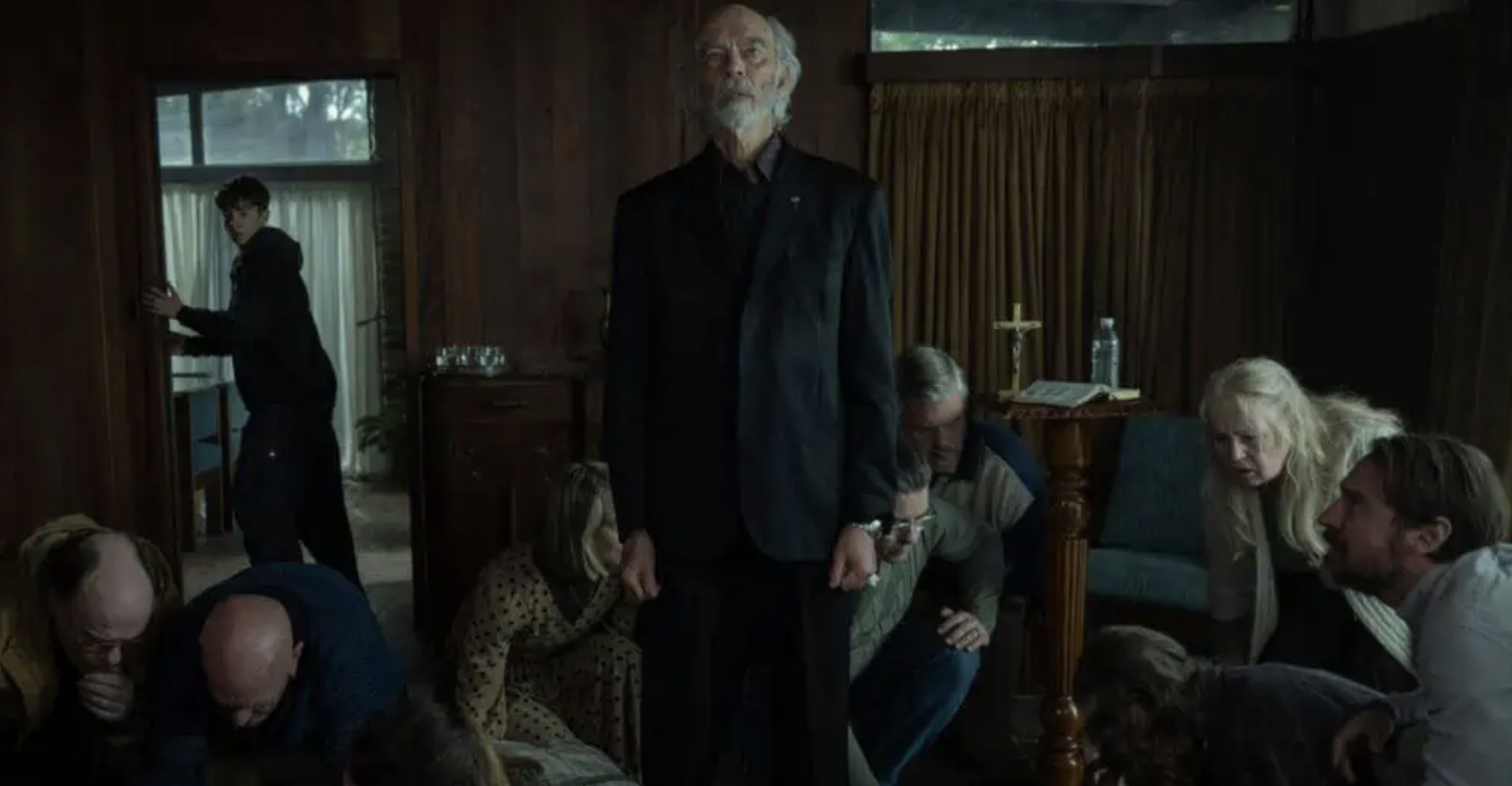
Leviticus follows Naim (Joe Bird) and Ryan (Stacy Clausen), two teens in a rural Australian town. Between the Christian fundamentalists and an abandoned factory, there's not a whole lot to do, especially for Naim, new to town with his single mother following her recent reinterest/obsession in her faith. Immediately, he's drawn to Ryan, a charismatic, almost angelic local hottie who's already entangled with Hunter (Jeremy Blewitt), the son of the local pastor.
All three of the boys' trysts are tinged with a passion at once gentle and exploratory and also violent and domineering—Chiarella draws a lot of meaning out of their time together involving shoving, wrestling, and, between Hunter and Ryan, taking turns chucking rocks at each other's chests. Their love, or lust, or interest, comes from a foundation of violence and domination, but the camera traces it with a non-judgemental eye. There is affection in these interactions, even if the ritual of that affection looks strange at first.
It's a violence that's directly contrasted with the supernatural entity that brings this drama plot squarely into horror movie territory. After getting caught, the boys are put through a ritual by a traveling preacher that causes them to be stalked by an invisible creature that takes the form of their love interest. It's a similar concept to the monster of It Follows, which featured its own take on teenagers' fear of love, sex, and death, but Leviticus directly foregrounds that the boys' queerness makes their terror, and the monster, so much more specific. They're cursed by their homophobic families, and the intertwining of desire for a forbidden love with the very real possibility of violent death is central to their everyday lives.
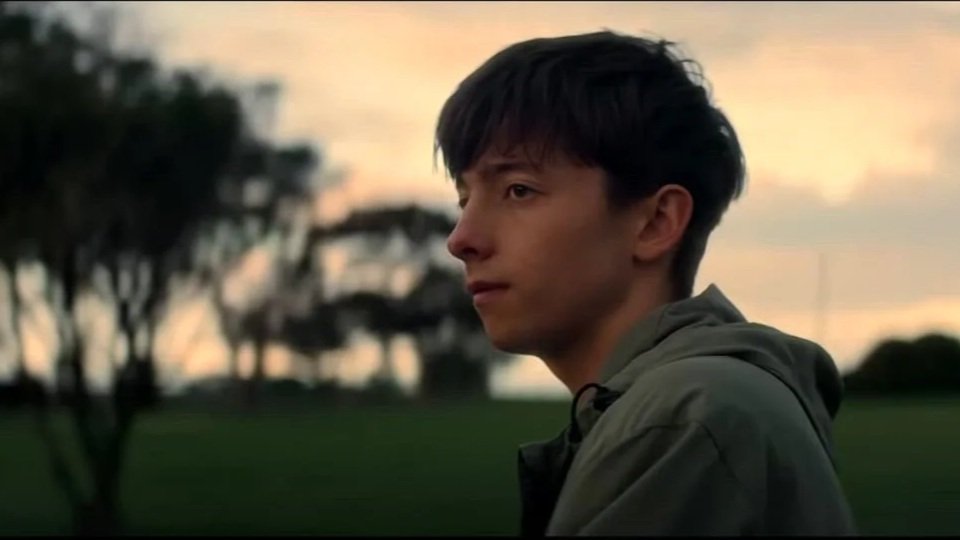
With the concept set in place, Chiarella balances shocking set pieces of violence and confusion as the characters, and the viewers, have to constantly question whether the Ryan or Naim on screen is real or just a monster wearing their visage. It adds a thrilling, and occasionally melancholy, tension to every moment of Naim and Ryan onscreen together. Their growing love for each other comes in part from an us-against-the-world mentality, but that reliance is exactly what makes them so susceptible to the creature.
Bird and Clausen bring a lived-in weight to their characters that's all the more impressive for their youth—they're both guarded, even as they open up to each other, but in ways that feel true to life rather than limitations of acting or scripting. Through their performances, the film never falls into the trap of being obvious Metaphor Horror, even if the central metaphor is clear to even the most unobservant viewer. Cinematographer Tyson Perkins shoots the dusty small town with an almost nostalgic lens, even while featuring rundown homes and dingy bus stops. That contrast underlines how man-made the issues that Ryan and Naim face are—this could be a decent town, if a bit haggard, if it weren't for the people imposing their will on their children.
If the film sometimes becomes a bit broad in how its set pieces play out or sometimes emphasizes its themes a bit too much, Chiarella is always able to bring the focus back to these specific characters in these specific situations. In a world hostile to your existence that can't be controlled, the only thing within your control is to choose love, no matter how dangerous, and freedom in that love. It's a violent, often grim thrill ride, but ultimately hopeful about the importance of not being controlled by fear.
f you enjoyed this article, please consider becoming a patron of Hyperreal Film Journal for as low as $3 a month!
Ziah is the founder and former editor-in-chief of the Hyperreal Film Journal. He can usually be found at Austin Film Society or biking around town.