
SXSW '26: Capturing Bigfoot
When I was a kid, I wanted to be a paranormal investigator. Ghosts, hauntings, and cryptids thrilled me, and the idea that we as a society were on the cusp of finding the truth behind centuries, even millennia, of unexplained oddities was captivating. It was an interest I lost as I got older; the rise of digital and handheld technology led to a decrease in sightings, and the more scientifically minded professionals got involved in the hunt, the less evidence actually emerged. Whatever oddities were left in the world were just that: oddities, whose explanations were no doubt as mundane as they were unrevealed. It is a lonely battle, in the 21st century, to believe in Bigfoots, Jersey Devils, and the like (even if aliens are kind of making a comeback). It is, ultimately, as much an act of faith as any religion, and I don't say that in any derogatory fashion.
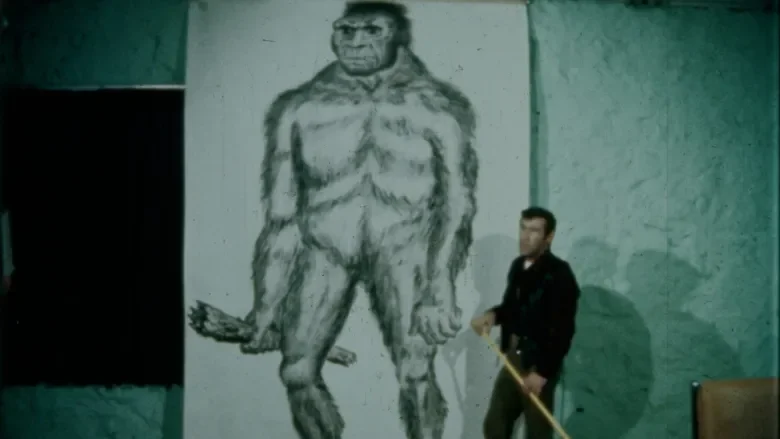
In Capturing Bigfoot, which had its World Premiere at SXSW 2026, that faith is put to the test in one of the most emotionally resonant documentaries I've ever seen. The film follows two threads: In one, director Marq Evans unearths a truly shocking piece of footage, the likes of which will completely change the world for everyone in the Bigfoot community. The other thread, and the one that the filmmakers in their post-premiere Q&A admitted was an unexpected one, is about Clint Patterson, the son of Roger Patterson, who is the man who famously shot the most iconic and foundational footage of Bigfoot in the last century.
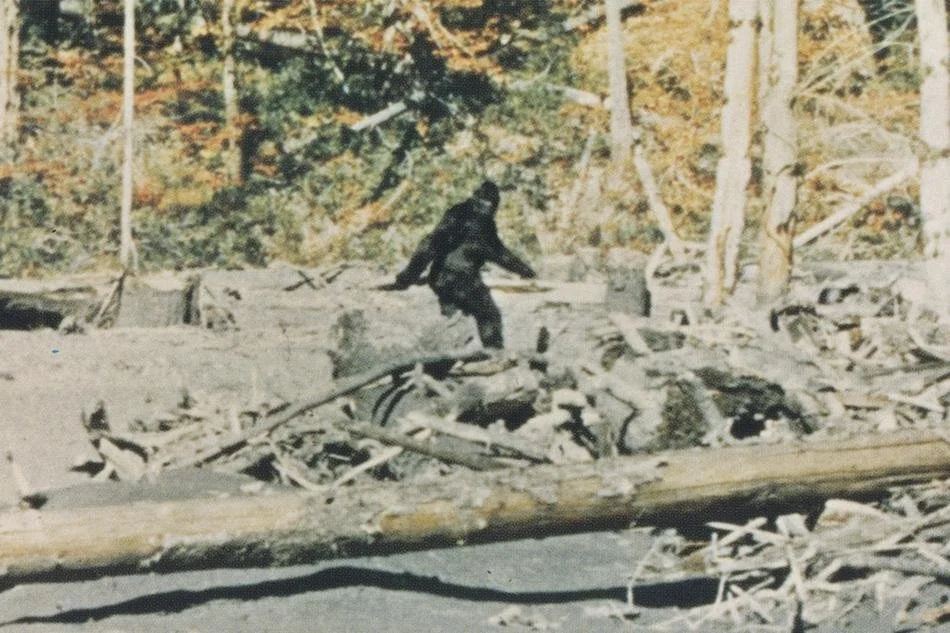
Even if that name means nothing to you, it would be nigh-impossible for you to not have seen the footage, or any of the artwork inspired by it. The backwards-turned hands, the slow, long gait, the turn that Bigfoot does just before reaching the tree line—it's almost as iconic a minute-long film as the Zapruder film (and maybe even more so for younger audiences). It's no exaggeration to say that it's one of the most immediately recognizable pieces of American film, and a big part of Capturing Bigfoot is exploring what it must have been like for the son of the man who shot that footage.
The Patterson-Gimlin film, as it came to be known, was shot in 1967, and has been the subject of decades of experts at turns trying to debunk or prove it. Evans features a number of these experts, who all make some compelling points about the footage being, at the least, an incredibly difficult thing to fake. One such expert, a special effects artist in Hollywood, flatly denies that it's even possible for anyone to fake the details of the Bigfoot "costume" since even Hollywood movie magic at the time was limited in what it could accomplish. The crux of the "the footage is real" camp is largely based around supporting evidence like other sightings, other experts, other anomalies, and also that if Roger Patterson was truly able to pull off a hoax like this with his limited resources and lack of training, he'd be a once-in-a-generation genius.
For Clint, Roger's now-grown son, his dad really was that genius, but he's spent most of his life unsure if that genius was in tracking, and finding, Bigfoot, or just convincing the world he had. Roger is long dead, and he went to his grave swearing that the footage was real, but he had a very real financial reason to do so; for Clint, even doubting that the footage might not be real is enough for his mother to disown him from the family. In one of the most emotional moments of the film, Clint reads the letters his mother sent to him when she cast him out of the family, and it's utterly heartbreaking.
Contrary to what one might think, Capturing Bigfoot isn't about proving or disproving Bigfoot. The earth-shattering footage foregrounded in the first five minutes really is remarkable, and really does change the context surrounding the Patterson-Gimlin footage in irreversible ways, but Bigfoot being real or not doesn't change the real people involved in that narrative. Con artists, geniuses, humble friends, cowboys, and genuine villains were all a part of the Bigfoot myth, in some cases just out of frame. Clint's journey to find the truth about his dad, to learn about his family's legacy, and to reconnect with his mom make the film (pardon the pun) so much bigger than any cryptid-focused documentary could be. I wasn't expecting to leave SXSW with Capturing Bigfoot as one of my favorite documentaries, but it's a major credit to Evans, Clint, and the rest of the documentary subjects that I did.
If you enjoyed this article, please consider becoming a patron of Hyperreal Film Journal for as low as $3 a month!
Ziah is the founder and former editor-in-chief of the Hyperreal Film Journal. He can usually be found at Austin Film Society or biking around town.