
Weird Wednesdays: Man in the Mirror
This screening was part of the Alamo Drafthouse’s Weird Wednesday series. For upcoming shows, click here.
The musician biopic has recently seen a level of commercial success and critical obsession that the genre hasn’t experienced since the pre-Walk Hard: The Dewey Cox Story days. With a new docket of financially-curious singers looking to sell their life rights, and today’s top stars hoping to turn their transformative performances into award season victories, the musician biopic has once again transcended its own novelty in order to bring artists back into the collective imagination, as much as one exists in the fragmented world of streaming. Successful turns like A Complete Unknown and Bohemian Rhapsody know the drill: deliver straight-forward biographies with impressive concert recreations, simplifying complicated lives and relationships while focusing on the image of the artist that the built-in audiences will already know. Even the slightly-creative variations on the formula that John C. Reilly & co. made fun of twenty years ago, like Springsteen: Deliver Me From Nowhere, lose audiences fast, especially considering that neither the actual cinematic quality of the films, nor the popularity of their central artist seem to reflect box office success. The only recent exception is Baz Luhrmann’s Elvis, but of course that’s the exception. It’s Baz.
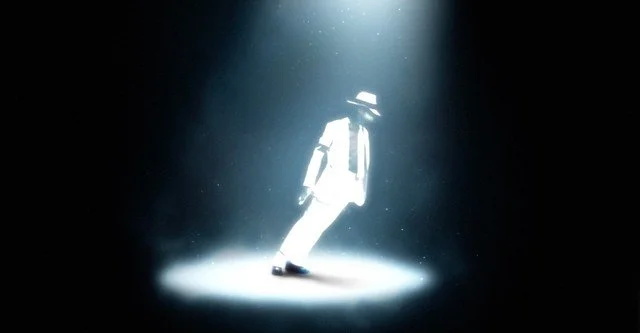
For the most part, these films are avoiding the more controversial figures in music history, but this changed in a major way recently with the release of Antoine Fuqua’s Michael, a Michael Jackson biopic with a budget of $200 million and the full support of the Jackson estate. As a biopic, it plays exactly like its contemporaries but with an excess of omissions, surface-level characterizations, and a reportedly reworked third act that strips the film of any sort of drama related to allegations that would come to define Michael Jackson in the public eye. The main conflict of the film, which you can read more about in Matthew Seidel’s excellent Michael review, is reduced to a handful of scenes and is sanitized for family audience consumption. It’s a film with a very particular mission: to craft a posthumous image of Michael Jackson that is, not just innocent of all charges, but is almost saint-like in his love for the downtrodden, his fight to do what’s right, and his spiritual connection to children that he holds throughout the film.
The day before Michael’s proper release, the Weird Wednesday programming team engaged in the synergy of the moment and provided their audience an alternative to the King of Pop film that was within hours of sweeping the nation. Of all of the Michael Jackson films that exist, they picked Man In The Mirror: The Michael Jackson Story, a made-for-VH1 television film directed by music lover and accomplished filmmaker Allan Moyle (of Times Square and Empire Records fame). The film, which you can read more about in Ziah Grace’s lovely Man In The Mirror review, is a hilarious, surreal watch for anyone with even a tertiary idea of who Michael Jackson was. In retrospect, it was the only MJ film I should’ve watched that week, but curiosity got the best of me and, within twenty-four hours, I was at an opening night screening of Michael. Here is what I discovered: Michael is a high-budget, slick, and self-serious attempt to repair the legacy of its eponymous hero with the full backing of the estate, but it is Man In The Mirror, with its over-the-top presentation, made-for-TV budget, and not a single note of Michael Jackson music, that succeeds in that mission.
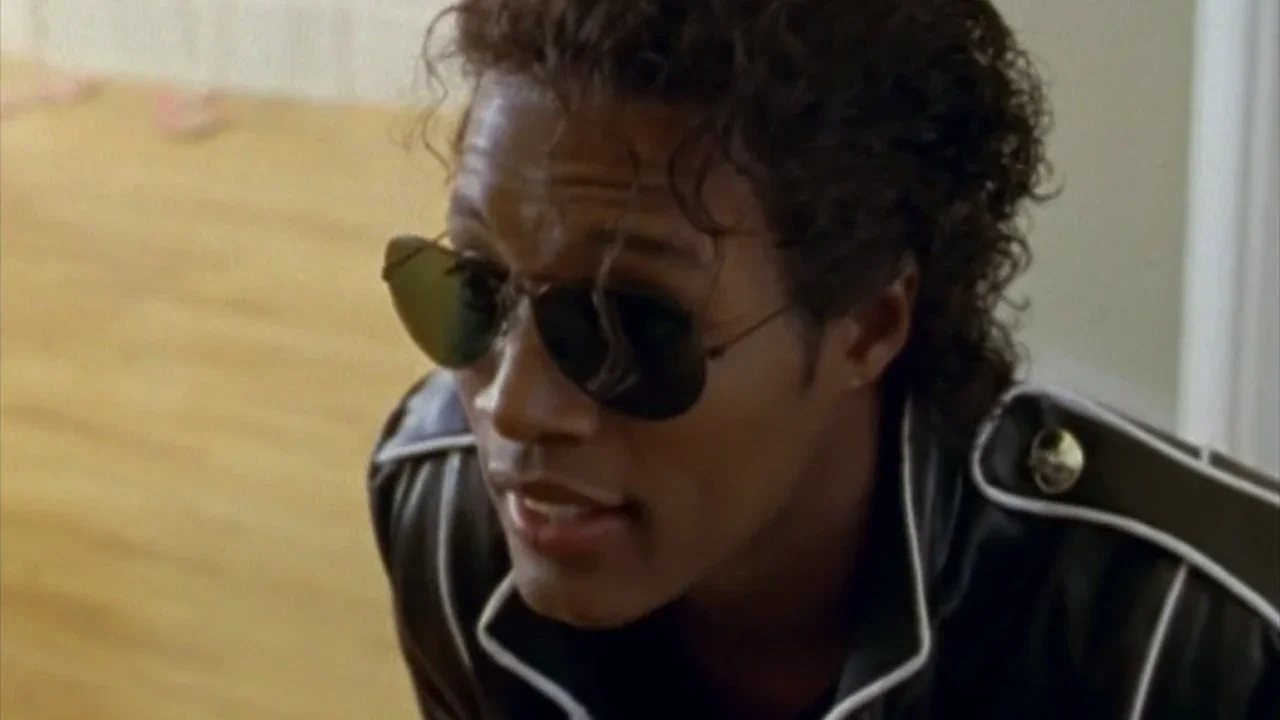
Man In The Mirror finds its angle by being unafraid to confront the reality of Michael Jackson’s public image: as an incredibly talented and incredibly strange man with allegations that suggest the worst about a human being. Regardless of one’s belief as to whether the allegations are true, which Man In The Mirror ultimately does not, the film receives an embarrassment of riches in exploring this part of MJ’s life. This film’s Michael, played by Flex Alexander, experiences the full range of what humanity has to offer since the film can’t spend too much time filming concert recreations without the rights to the catalogue. He gets married, gets divorced, has children, hangs out with Elizabeth Taylor, sees visions of Diana Ross as his guardian angel, witnesses 9/11 the morning after the biggest show of his career, and deals with a mountain of legal troubles. The movie can’t really handle the tonal shifts of all of this, nor fit it comfortably into a sub-two-hour runtime, but it creates a unique picture of a man who, at the time of the film’s release, was either the worst or the most demonized man in the world, depending on who you ask. By bringing up every complicated moment in his life, Man In The Mirror refuses to ignore the reality of its subject.
Sitting in the made-for-TV reality drama film space, Man In The Mirror definitely lacks the kind of polish and caliber of talent that $200 million can buy. Michael’s Jaafar Jackson embodies his uncle to the edge of the uncanny valley, emulating his voice, his dance moves, and his public demeanor in a way that might require being a blood relative. Man In The Mirror’s Flex Alexander is a different case: a six-foot-five dancer who doesn’t really look like Michael and continues to look less and less like him as they give him the hair and make up to embody Michael in the 90s and 2000s. Michael allows the viewer to spend more time watching the Michael they know: through recreations of music videos, concert footage, and the infamous Motown 25 moonwalk. Man In The Mirror’s Flex Anderson exists in a liminal space of flashing lights, running through the choreography of public-domain Michael Jackson moves (he does not moonwalk) as very un-Jacksony music orchestrates the sequences. Michael sounds like a Michael Jackson fan’s dream while Man In The Mirror sounds like an incredibly lacking, unintentionally funny ode to the King of Pop, and maybe both of those things are true, but Man In The Mirror has something that Michael definitely lacked: the courage to explore its hero, warts and all.
The musician biopic appears to be approaching early-Marvel levels of saturation, with a recent deal being cut between Paramount and Warner Bros. Music to create cinematic content through which their gallery of artists can see their lives expressed. Michael, approaching $1 billion in worldwide box office sales as of this writing, is likely to be the model that these new films will follow: focus more on the spectacle of an act and not nearly enough on their humanity.
“Separating the art from the artist” used to require at least a cursory acknowledgement of a creative’s problematic acts, ranging from complicated to pure evil, before moving along to praise their work. In this new wave of post-artist biographical cinema, we might be seeing the lives of people being wholly censored in service of a surface-level celebration of whatever they contributed to the world, because isn’t the music what’s really important? If this is their plan for musician biopics moving forward, I am asking them to change their ways.
If you enjoyed this article, please consider becoming a patron of Hyperreal Film Journal for as low as $3 a month!
This is Dylan Samuel. If you see him, say “hello.”