
Weird Wednesdays: A Lizard In a Woman's Skin
This screening was part of the Alamo Drafthouse’s Weird Wednesday series. For upcoming shows, click here.
Following the new torment of parking validation at the South Lamar Alamo Drafthouse (enshittification never really ends, does it?), my friend and I settled into a front row eyeball-lashing from Italian exploitation auteur Lucio Fulci. A Lizard In a Woman’s Skin (1971), an early foray into the giallo genre of psycho-sexual thrillers, is notorious for a special effects scene that authorities at the time took to be evidence of real violence. The film is unavailable on any streaming platforms and hard to track down except on foreign import DVDs.
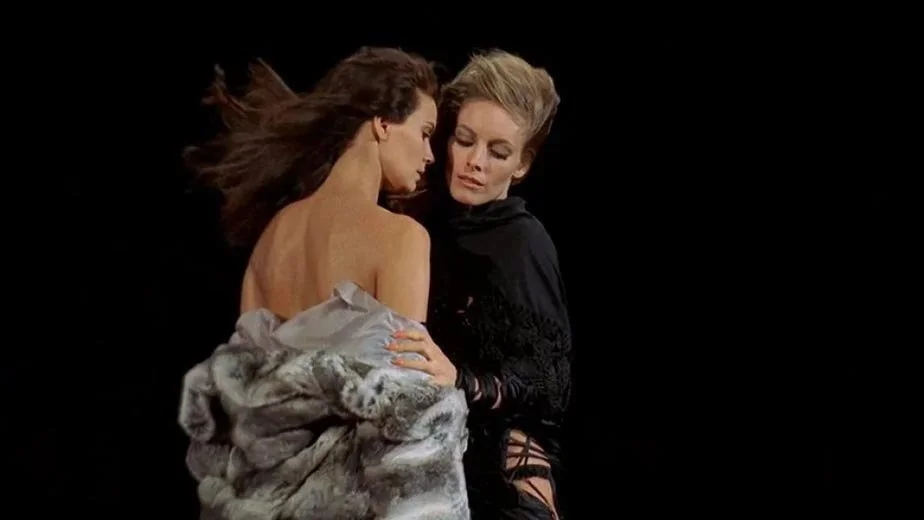
Florinda Bolkan stars as Carole Hammond, introduced in the film’s first scene scrambling through a train car packed with naked hippies. In a dreamlike segue, she escapes into a strange bedroom where she is seduced by a sultry, naked blonde. This dream succubus is actually Carole’s next door neighbor, Julia Durer (Anita Strindberg), a libertine fond of throwing swinging parties that rattle the walls of the apartment Carole shares with her lawyer husband Frank (Jean Sorel) and his teenage daughter Joan (Edy Gall).
Frank is a partner at a prestigious firm owned by Carole’s father (Leo Genn), who has begun receiving blackmailing phone calls from a mysterious female voice. When neighbor Julia is found murdered, Carole comes under suspicion and is committed to a sanitarium. Meanwhile, Joan delves into Julia’s sordid underworld of drugged-out hippies to find the true killer.
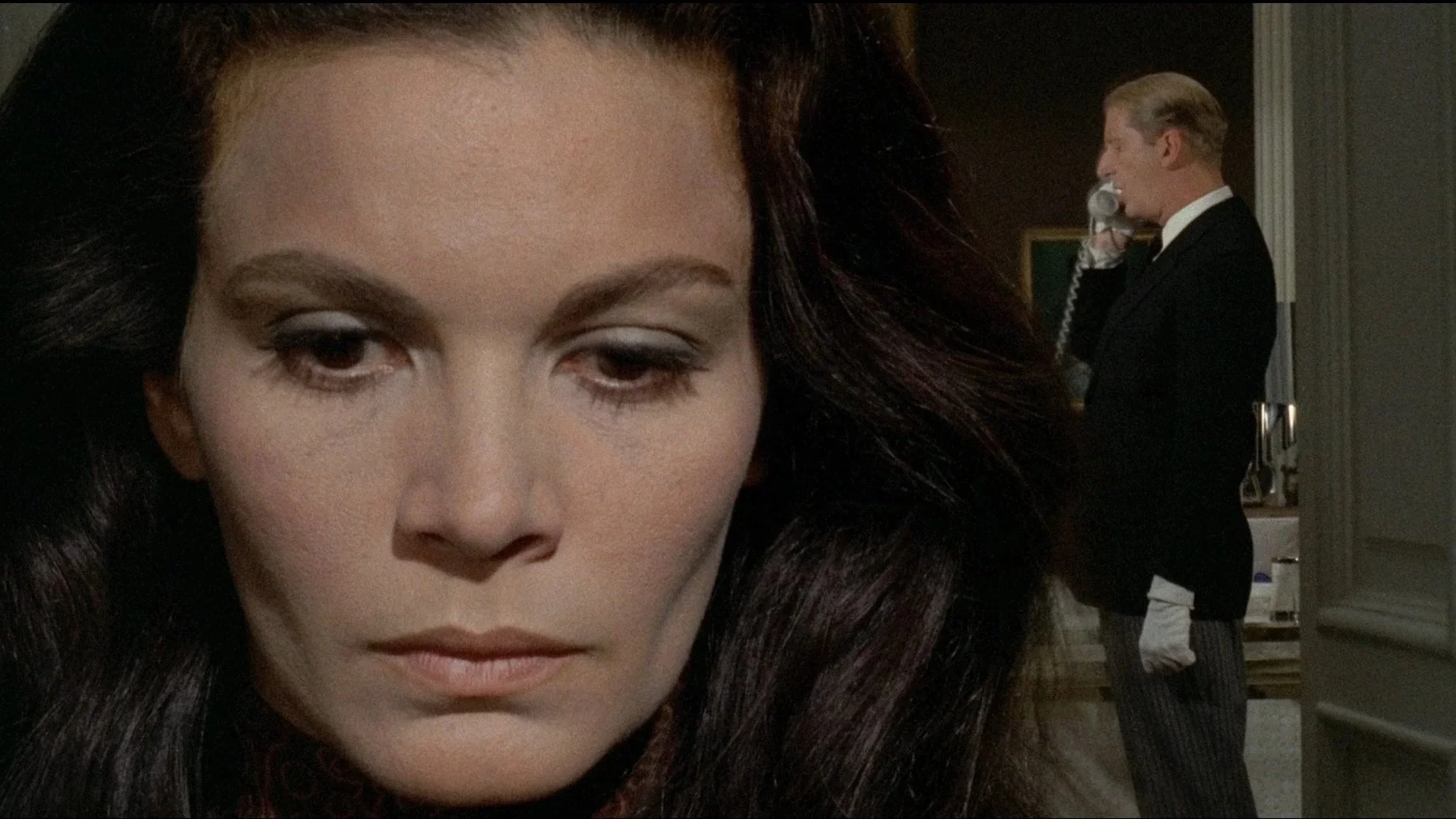
Fueled by a slinky acid jazz score from Ennio Morricone, the film runs the gamut of giallo cliches. Carole frequents an analyst, Dr. Kerr, who says things like, “the flat next door is a symbol of vice” and meets privately with Frank to discuss his wife’s mental state. The soap opera plot gyrates around a corny police procedural, with the investigator (Stanley Barker) spending most of his screentime reeling off exposition. The exploitation scenes blend remnants of swinging 60s hedonism with gory shocks featuring buckets of red paint, er, blood.
The scene that landed Fulci in trouble with the law arrives after Carole is committed to the asylum. While being chased through the bowels of the building by one of Julia’s mad hippies, she stumbles into a lab where live dogs have been vivisected, their pumping guts strung up on a cruel metal grid. Oddly, the film presents this not as one of Carole’s hallucinations but as a random doctor’s bizarre side project.
While the effect may not be particularly convincing to the modern viewer, more taxidermy fail than nightmare fuel, it resulted in Fulci facing serious jail time for animal cruelty. Effects master Carlo Rambaldi, who later designed Spielberg’s aliens for Close Encounters and E.T., had to wheel his gruesome creation into court to get Fulci off the hook.
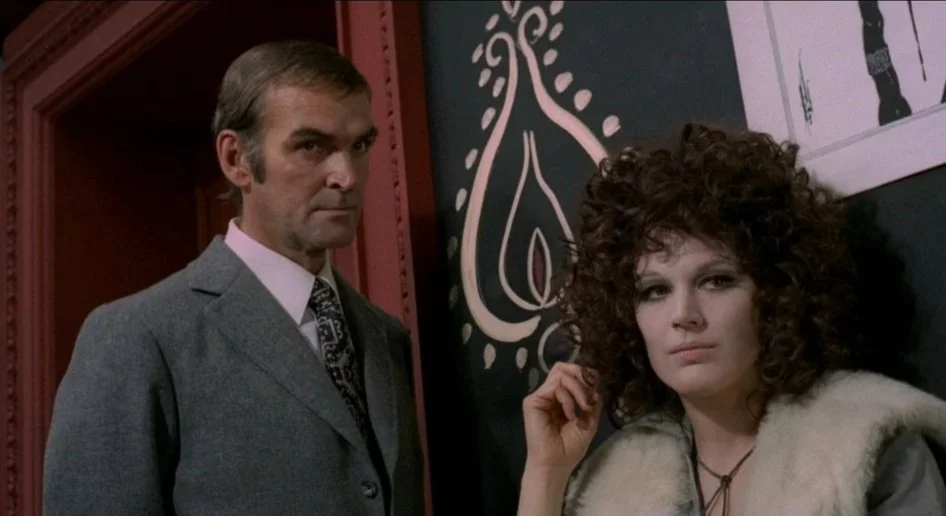
A Lizard In a Woman’s Skin (the title comes from a throwaway line delivered by, you guessed it, a drugged-out hippie) is an authentic 1970s giallo, full of lurid imagery and an insolent refusal to have any point beyond base titillation. It lacks the rewatch value of Fulci’s truly twisted The New York Ripper (1981) or obscure gems like Sergio Martino’s All the Colors of the Dark (1972). Balkan, nominally the film’s star, is given little to do but sulk and scream as the nonsensical plot whirls around her. Fulci gave her a more memorable role the following year as the witch Maciara in his stone-cold classic Don’t Torture A Duckling. Nonetheless, even a middling film from Lucio Fulci is bound to deliver more visual style and genuine weirdness than the average exploitation thriller past or present. If you think Obsession (2026) invented the woman-in-weird-reverse-motion shot, check out what Fulci was doing in 1971.
If you enjoyed this article, please consider becoming a patron of Hyperreal Film Journal for as low as $3 a month!
Matthew K. Seidel is a writer and musician living in Austin since 2004. The above selfie was taken in an otherwise empty screening of Heat at 10:30 in the morning. You can find him on Letterboxd @tropesmoker.