
28 Years Later: The Bone Temple — Better Living Dead Through Chemistry
Not many had it on their 2025 bingo card: a zombie franchise sequel becoming one of the most hotly debated pop culture moments of the year. 28 Years Later backgrounded its predecessors’ grim realism in favor of trippy stylistic flourishes and, most notoriously, a giant, naked, very well-endowed Alpha zombie named Samson. Depending who you ask, the result was brain-crushingly stupid or spine-rippingly awesome—either way, the discourse drove interest to a $150 million global box office.
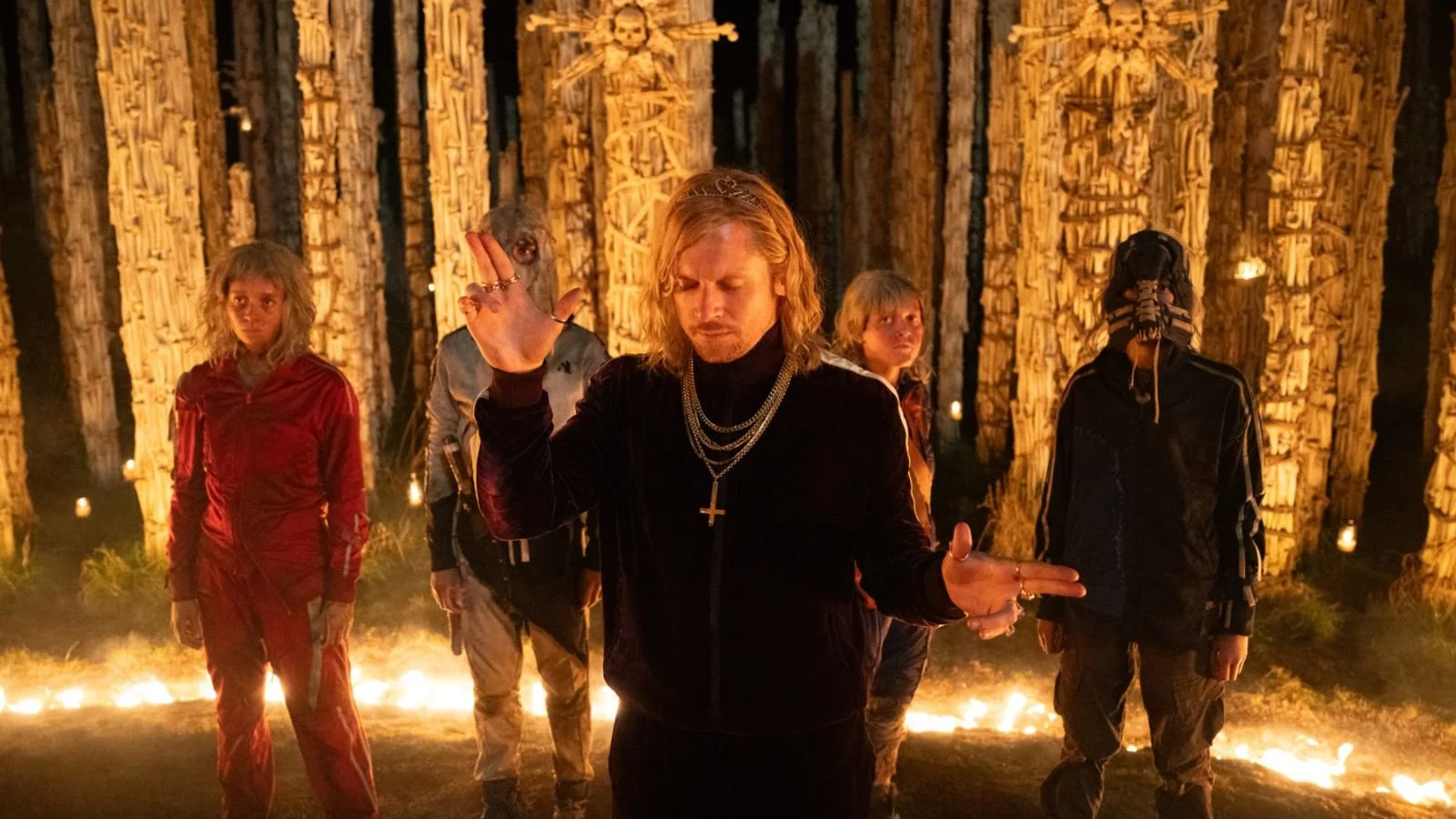
The Bone Temple jumps straight in following the previous film’s bizarro cliffhanger, in which the young hero Spike (Alfie Williams) was captured by the Satan-worshipping cult The Jimmys. “No quarter,” Sir Lord Jimmy Cristal (an excellent Jack O’Connell) hisses, presiding over an unnerving Lord of the Flies duel in an empty swimming pool. From here on, the gore flows liberally—not just grisly, but gristle-y, accomplished with painfully convincing practical effects.
In the plot’s second track, Ralph Fiennes returns as the batty ossuary keeper Dr. Ian Kelson, who is researching a cure for the Rage virus that has decimated civilization. His experiments to domesticate neighborhood skull-muncher Samson (Chi Lewis-Perry), involving copious amounts of morphine and other drugs, prove fertile grounding for the eventual scientist versus Satanist showdown.
The second film in a trilogy often suffers from thankless plot machinations and lack of resolution, but the franchise’s updated formula of vibe-led folk horror still has legs. Candyman rebooter Nia DaCosta, taking over the directorial reins from series originator Danny Boyle, sinks the post-apocalyptic world into a deeper, heavier register, including a protracted torture scene that had the preview audience sweating. She also nails the set pieces and amusingly weird character moments, including a showstopping musical number you have to see to believe.
For Garland’s part, the Civil War filmmaker’s stated retirement from directing seems to have liberated the deft mix of playfulness, cerebral thought experiments, and bloody genre goods in his writing. The specter of Jimmy Savile as the main inspiration for The Jimmys may fly over some American heads, but its cultural themes are universal, particularly its knotty exploration of faith versus science—the faith, in this case, being sadistically violent Satan worship. How does one argue with someone who’s convinced their purpose in life is to deliver sacrificed souls to “Old Nick”? How does that reflect the hostile mistrust we see directed at the medical establishment today, and who ultimately benefits from the chaos?
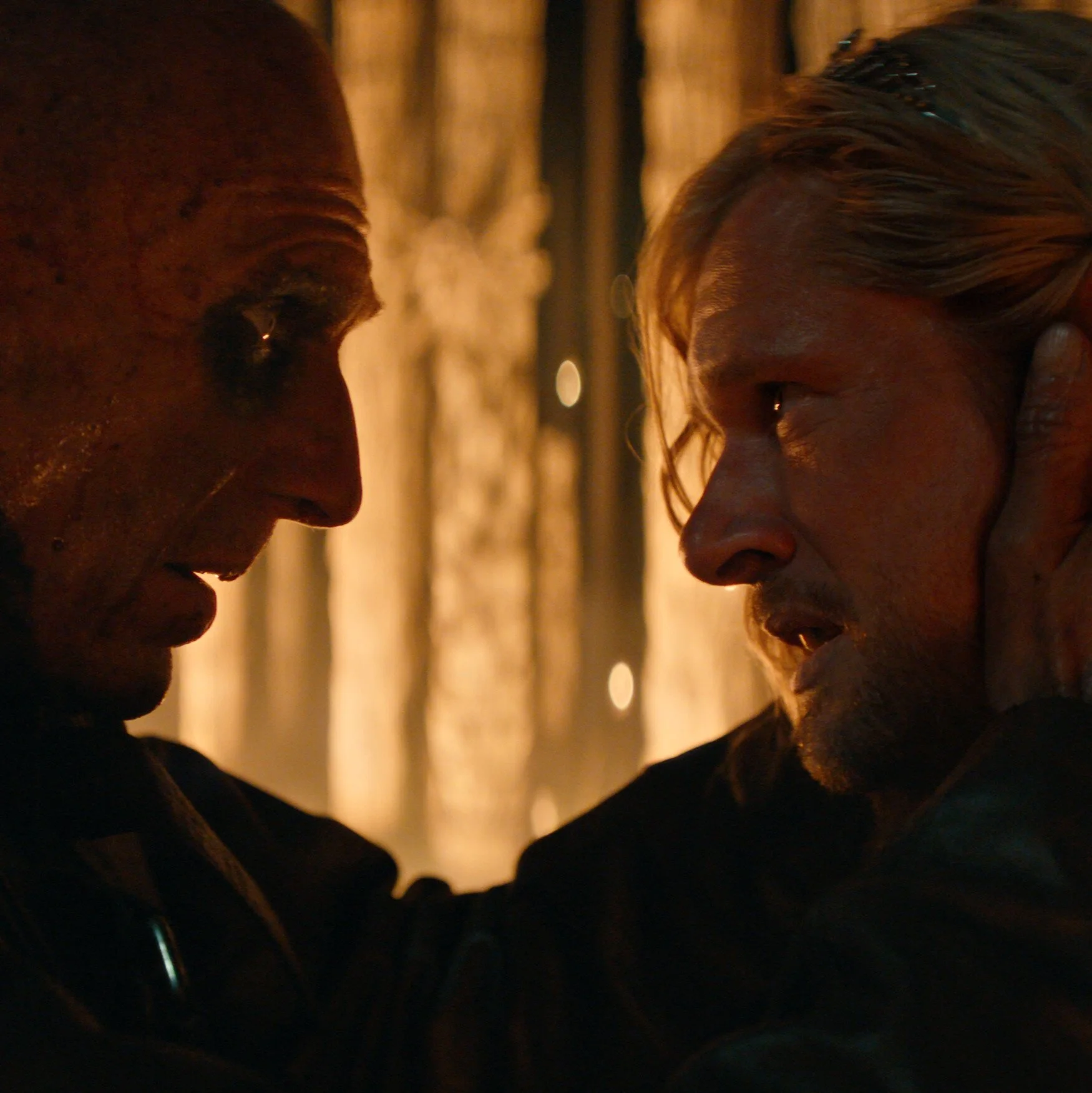
The cast is game for it all, particularly Fiennes, who both carries the story’s moral center and goes absolutely mental in high-energy scenes that belie his 63 years. Jack O’Connell cements his clout as a magnetic big screen villain, less than a year after his devilish Irish vampire stalked Sinners. The massive MMA fighter Chi Lewis-Perry comes into his own as Samson, the most expressive zombie character since Bub in Day of the Dead.
Naturally, the film ends in another cliffhanger, one whose overt discussion of “fascism, nationalism, populism” (and a key cameo) set the tone for the trilogy’s finale. Fans of the previous film will likely call it the first great horror movie of the year, and, like Samson with his lunch of brains, even the haters might find some big ideas to chew on.
If you enjoyed this article, please consider becoming a patron of Hyperreal Film Journal for as low as $3 a month!
Matthew K. Seidel is a writer and musician living in Austin since 2004. The above selfie was taken in an otherwise empty screening of Heat at 10:30 in the morning. You can find him on Letterboxd @tropesmoker.