
What We Saw at Sundance 2026
Two packed weeks, very little sleep, and more films than our brains could probably process. Here is everything we caught at Sundance Film Festival.
Aanikoobijigan [ancestor/great-grandparent/great-grandchild]
A symphony of generational ties, Aanikoobijigan follows a Michigan alliance of repatriation specialists (MACPRA) as they fight to reclaim their ancestor’s remains from sterile archives and museums. The documentary takes a critical look at the initial reasons for collecting indigenous remains and artifacts and the conflict between these scientific institutions and the rights of Indigenous peoples. There are moments of experimental filmmaking I wish were more prevalent throughout, but ultimately I was deeply moved by these activists and the impact of their work. —Jenni Kaye
Everybody to Kenmure Street
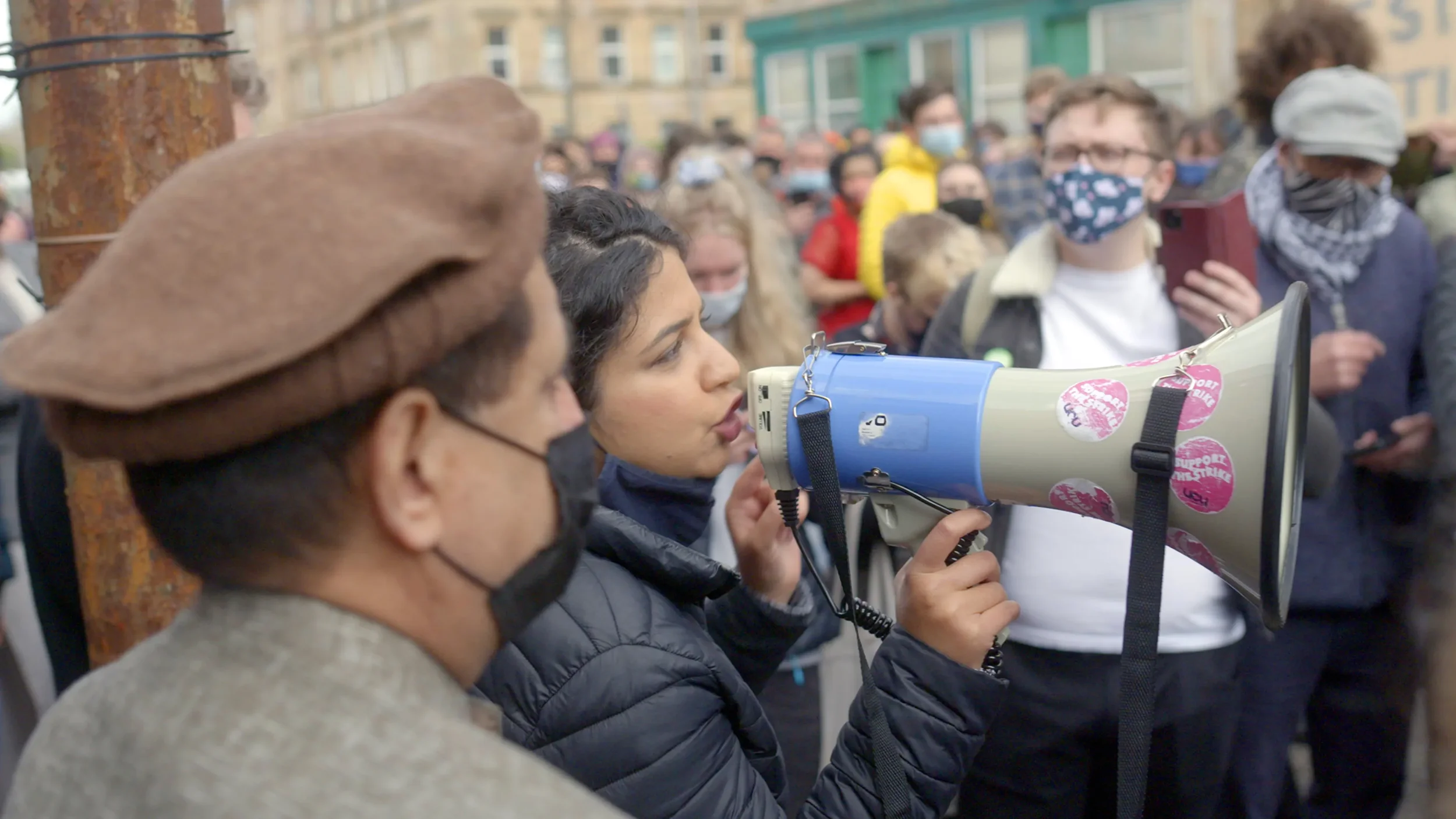
In the early morning hours of the first day of Eid in Scotland, the UK Home Office attempted a dawn raid in one of Glasgow’s most diverse neighborhoods. Before the van could quietly drive off with two local men, the swift actions of a few neighbors prevented their escape. A few key players, including one buff guy in a punk jean vest who clung to the bottom of the police van, were portrayed by known actors like Emma Thompson and Kate Dickie in order to protect their identities. As these brave few start to blast their networks to rally more people to protest, the crowd grows by the hundreds. We see a lot of this progression through the protestor’s own documentation. To see a community come together to protect their neighbors, while we’re simultaneously confronting ICE raids in the States, was emotional and empowering to say the least. —Jenni Kaye
Extra Geography
I’m always a sucker for a coming-of-age film centering female friendships. Extra Geography, set in an English boarding school, follows Minna (Galaxie Clear) and Flic (Marni Duggan) who are the kind of best friends that are wholly consumed by each other. That is, until the girls make it their school project to fall in love with the first person they see. What starts off a bit slow and formulaic turns into a really moving, funny, and relatable portrait of intense friendships and how they can evolve. —Jenni Kaye
Ha-Chan, Shake Your Booty!
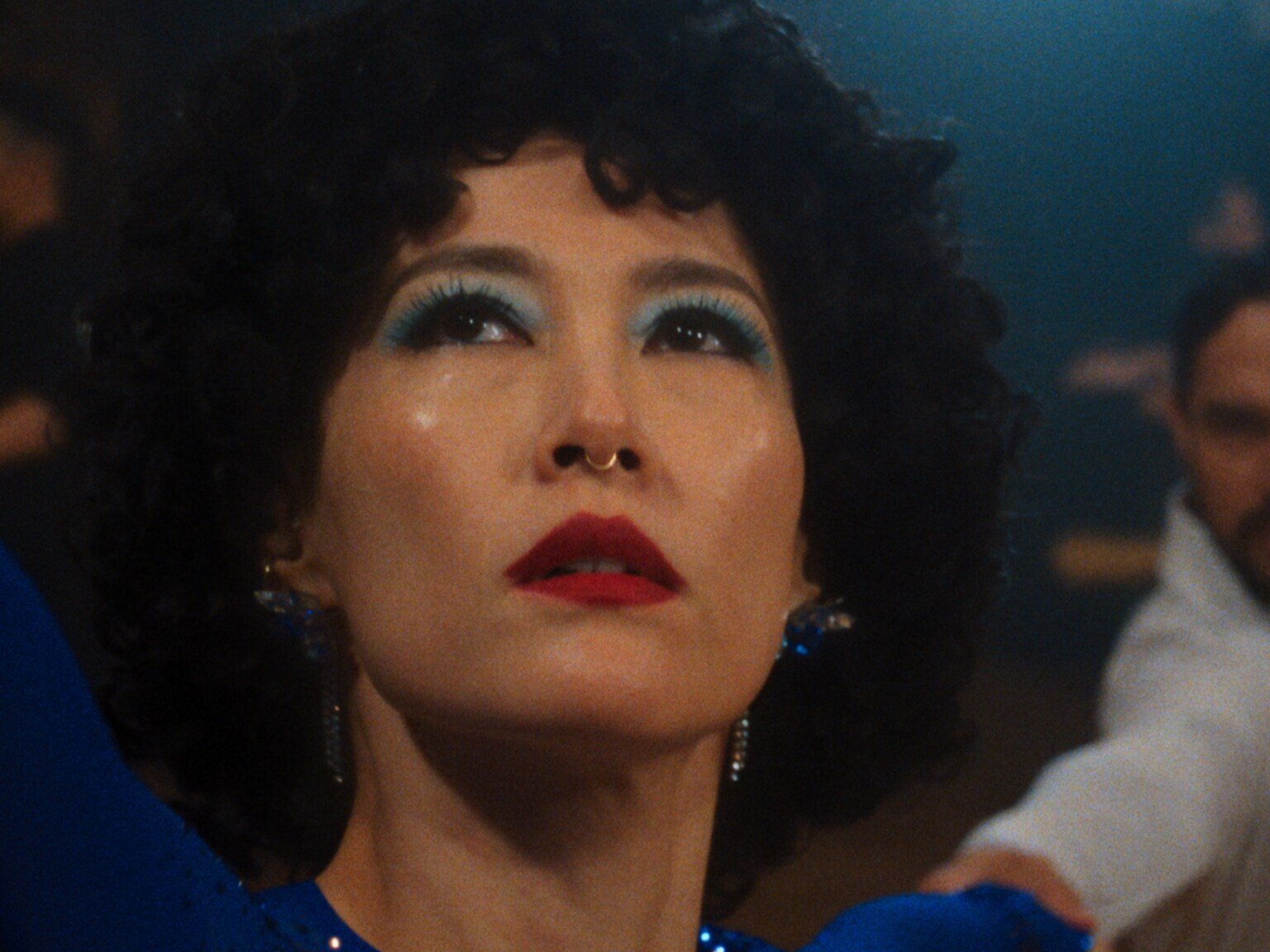
Ha-Chan, Shake Your Booty! was the first film at Sundance to get distribution (Sony), and I’m not surprised. A ballroom dancer, played by the delightful Rinko Kikuchi (Babel, Kumiko, The Treasure Hunter), navigates the grief of suddenly losing her husband and dance partner. On paper that sounds kind of depressing, but Director/Writer Josef Kubota Wladyka gives us a colorful, absurd, and beautifully nuanced crowd-pleaser. My only complaint is that while Ha-Chan does in fact shake her booty, I really thought she’d shake it more. —Jenni Kaye
Hanging by a Wire
The last time my hands were this sweaty was when I was watching Free Solo. Hanging by a Wire exemplifies a common thread I saw throughout many films at Sundance, sometimes you got to take shit into your own hands. In a small rural town in Pakistan, a cable car hovering 900 feet above the ground is the main form of public transportation. One morning, one of the cables snaps trapping eight passengers, most of them children on their way to school, now dangling by a single wire expected to snap in under 10 hours. We see the whole ordeal play out thanks to community-captured footage, and the sense of urgency causes many attempted rescue attempts from police and confident community members. —Jenni Kaye
How to Divorce During the War
What happens when you tell your husband you want a divorce and the next day Russia invades nearby Ukraine? Writer/Director Andrius Blaževičius explores that complicated conflict from the perspective of everyone involved, including their young daughter. Balancing domestic conflict amidst geopolitical crisis, Blaževičius includes a surprising amount of satisfying comedy about not only performative activism but how the world doesn’t stop just because we’re in crisis. —Jenni Kaye
The Huntress (La Cazadora)
Based on the true story of vigilante Diana Huntress of Bus Drivers, The Huntress depicts a mother who takes lethal action against the bus drivers who abuse women on their routes. While we don’t know much about the real-life Diana Huntress of Bus Drivers other than a police sketch, Writer/Director Suzanne Andrews Correa imagines what this woman’s life could have been like, raising a young girl amidst a constant threat of violence against women in Juárez. The film’s shining star is the electrifying performance of Adriana Paz (Emilia Pérez) as Luz and her relationship with her teenage daughter Ale (Jennifer Trejo). This was a standout film for me, and despite my reservations going into the screening regarding the subject matter, Correa handles the brutality with care and sensitivity for her audience. —Jenni Kaye
The Incomer
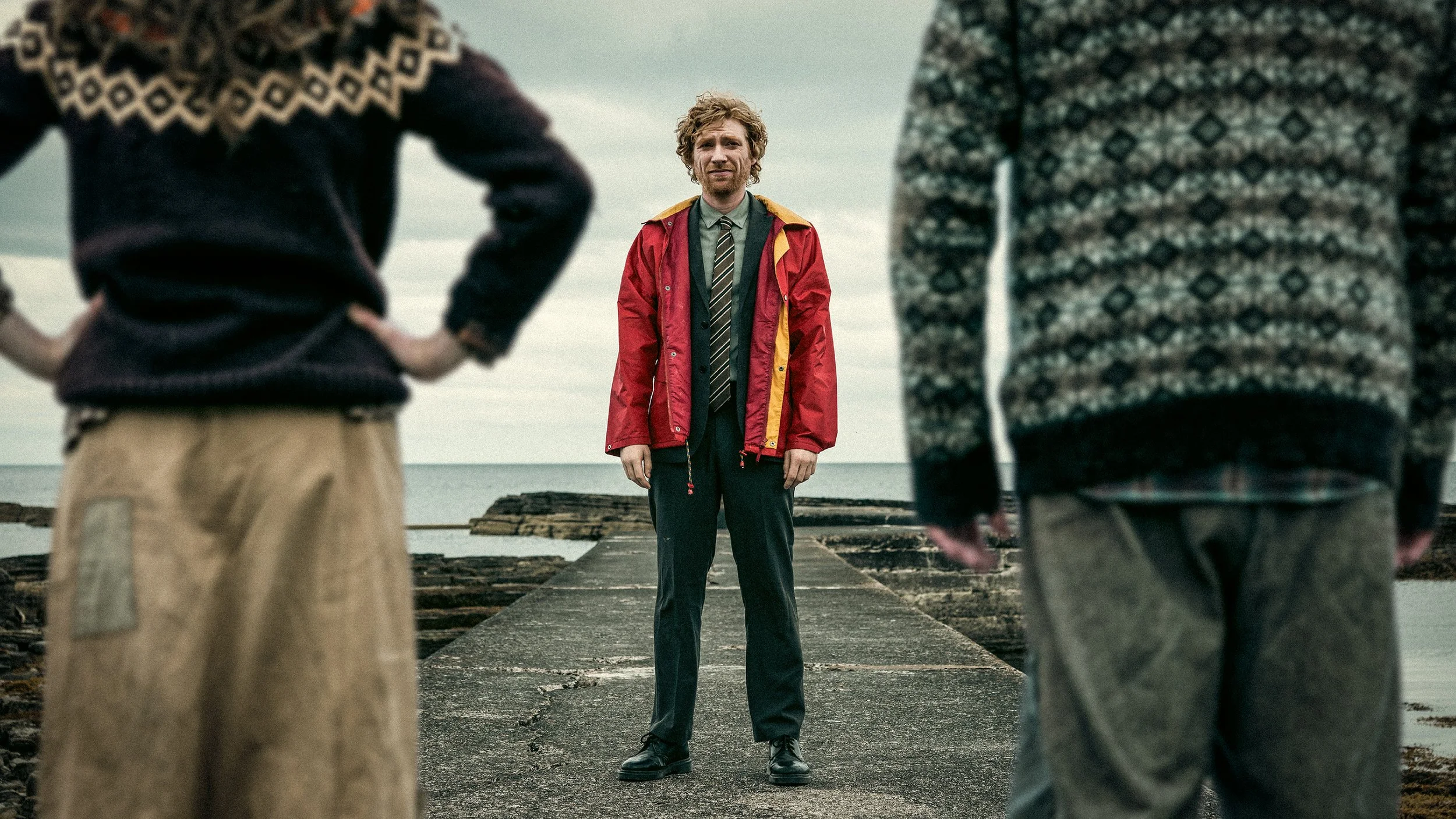
Set in my dream home of a remote Scottish Island, The Incomer drops us into the secluded life of a brother and sister, an eccentric pair (Gayle Rankin and Grant O’Rourke) who have lived their entire lives eating seagulls, talking to homicidal mermen, and training to defend their home from outsiders. When the bureaucratic land recovery office sends awkward and nerdy Daniel (Domhnall Gleeson) to reclaim this land, he finds himself in a stand-off with the pair and a glimpse into another way of life (plus, the opportunity to present The Lord of the Rings as his own story). Louis Paxton’s charming and funny debut feature earned him Sundance’s NEXT Innovator Award. —Jenni Kaye
Jaripeo
Documentary filmmakers Rebecca Zweig and Efraín Mojica turn their cameras onto the rural rodeos (jaripeos) of Michoacan, Mexico, to examine the thin line between hypermasculinity and queerness. Through frank interviews with queer rodeo participants and verité footage with surreal asides mixed in, the film creates an honest, nuanced portrait of a subculture. The amber-hued frames of rodeo debauchery are blended with pink and pastel surreal inserts that poke at the masculinity the rodeo projects, aching to get at the much more complicated, human center. It’s a film that is less about the tension between queerness and masculinity, and more about how queerness has always been here, peeking out of even the most surprising places. - Alejandra Martinez
Josephine
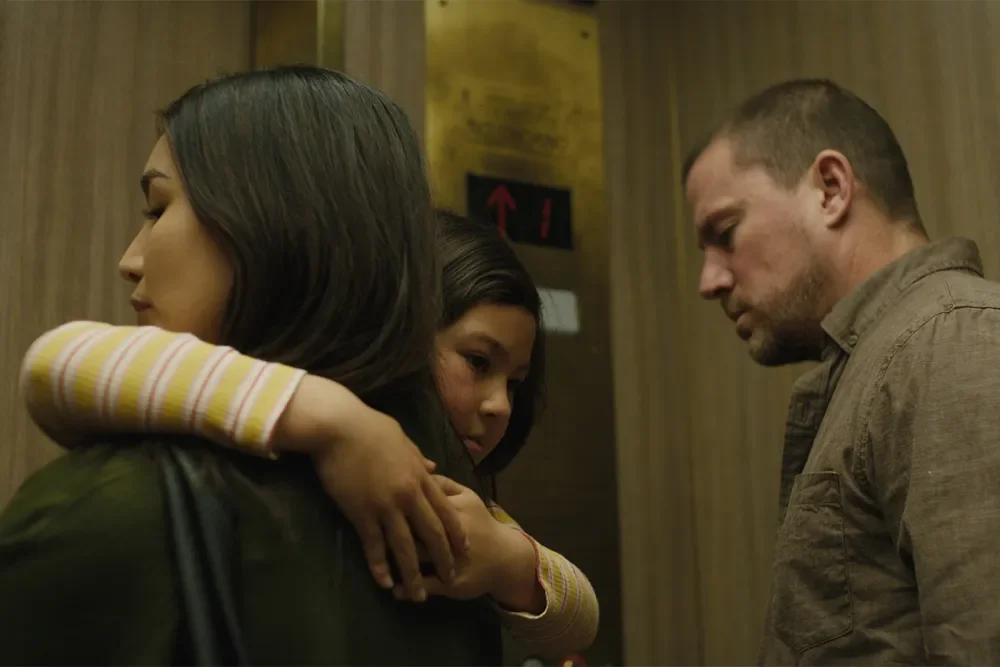
One of the buzziest films of the festival, Josephine is about an 8-year-old girl (future superstar Mason Reeves) who witnesses a graphic assault in Golden Gate Park after wandering off from her father, impeccably portrayed by Channing Tatum. Trigger warning: the audience witnesses the assault as well. Throughout the film, we are locked on Josephine and the impact of this experience on her. Writer/Director Beth de Araújo found a unique visual way to depict how this event is haunting Josephine that I found really unsettling but effective. Taking home the U.S. Grand Jury Prize, we’re bound to see Josephine in the running for future major awards. —Jenni Kaye
The Lake
It felt fitting that the first film I saw at Sundance was about Salt Lake City itself. Premiering just miles from its subject, The Lake shares the urgent efforts of a group of scientists and lawmakers to prevent the rapid ecological collapse of The Great Salt Lake, which if completely dried up would be an “environmental nuclear bomb.” I went to visit the lake myself and saw how depleted the water was, surrounded by a shoreline of dead seabirds. Like all environmental issues, the source of the problem is human consumption. I couldn’t believe that I was so unaware of such a potentially catastrophic environmental crisis in our country, and I’m grateful for the opportunity to learn more. Thankfully, the subjects (including Utah Governor Spencer Cox who was greeted with mild booing) were in-person to give us a promising update on the future of the lake, however there’s still a long road ahead. —Jenni Kaye
Leviticus
Yet another movie that makes me never want to visit Australia. Leviticus is a strong new entry in queer horror and the feature debut from Australian Writer/Director Adrian Chiarella. Set within a devout religious community, two teenage boys’ budding romance triggers a demonic form of conversion therapy that turns your object of desire into a violent entity. I’ve heard comparisons to It Follows meets Heated Rivalry. There were legitimate jump scares and seeing this in a packed theater was key. Thankfully, you’ll soon have that opportunity, as Neon has acquired this gem for release. —Jenni Kaye
The Musical
“Glee for sickos” was my first takeaway after seeing one of Sundance’s most divisive crowd-pleasers. The Musical stars Will Brill (The OA) as a frustrated middle school theater teacher whose recent ex-girlfriend/art teacher is now dating the perfect principal (played by the perfect Rob Lowe). Brill’s assignment to pull off a successful school play of West Side Story and win the school a blue ribbon takes a wild turn. While every part of me wants to spoil what that turn is for you, you’ll have to find out for yourselves. The film has some swings and misses but all I have to say is that the last 15 minutes includes some of the funniest things I’ve seen in a film in years. —Jenni Kaye
Night Nurse
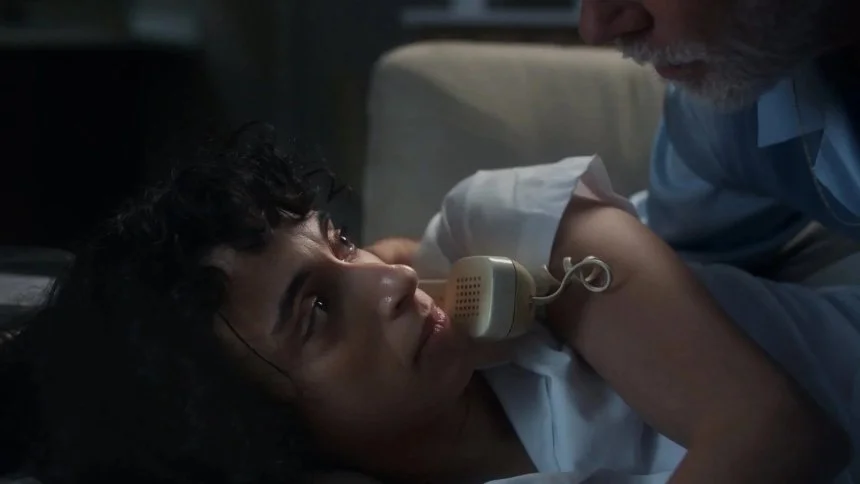
Speaking of sickos (see above), Night Nurse was actually the premiere film for sickos at Sundance 2026. The film centers on a young nurse working in an idyllic retirement community that starts experiencing a string of disturbing scam calls. Writer/Director Georgia Bernstein builds tension through ambiguity, entangling us in a perverted mystery that gets stranger and stranger as we go along. There really is a kink out there for everyone. —Jenni Kaye
Run Amok
Sundance 2026 greenlit every movie about a school play made last year I bet. The fact that there’s three on my list alone means the children yearn for Glee, and using art to process their feelings. Run Amok is probably my favorite of the bunch and follows high-school student Meg (Alyssa Marvin) whose mother was killed during a school shooting when she was three years old. Now that it’s been 10 years, the administration wants to hold a “commemoration” ceremony but Meg is called to make a musical with her peers (including the hilarious Grace Reiter) about the tragedy. Despite a somewhat uneven tone at times, there’s a lot to love here (including one scene in particular that really stuck with me) and made me feel like the kids just might be alright. —Jenni Kaye
Union County
Director Adam Meeks returns to his hometown in rural Ohio for his debut feature, Union County. We follow Cody (Will Poulter), a recovering addict navigating a drug court program alongside his foster brother, played by an almost unrecognizable Noah Centineo. What makes Union County stand out from so many other films about the opioid epidemic, is that Meeks used real people who were currently in that same program. It’s a small, quiet film about something Hollywood usually wants to overly dramatize, offering a compassionate portrait of addiction that feels less interested in redemption arcs than in the difficult, ongoing work of simply staying alive. —Jenni Kaye
Who Killed Alex Odeh?
A documentary that uses the guise of a true crime conceit to teach the audience about the roots of something truly insidious, Who Killed Alex Odeh? Is a powerful examination of radicalization. In October of 1985, Odeh, a Palestinian activist and Regional Director of the American-Arab Anti-Discrimination Committee (or ADC) was killed in a bombing that targeted the ADC’s offices in Santa Ana, California. Over the course of the film, we learn about Alex, the horrific bombing, and what an Israeli journalist has uncovered in the decades since. The result is a wrenching look at the consequences of violent radicalization, and a search for justice that continues to this day. - Alejandra Martinez
If you enjoyed this article, please consider becoming a patron of Hyperreal Film Journal for as low as $3 a month!