
Pink Cuts: Bumpkin Soup and Abnormal Family
How many ways can a genre be dissected? Through homage or parody? The last two entries in Austin Film Society’s Pink Cuts series seem to provide very different answers to these questions when it comes to pink films. They are as notable for their directors (Kiyoshi Kurosawa and Masayuki Suo) as they are for the ways they disrupt the genre. Bumpkin Soup and Abnormal Family each take a hand at blowing up the conventional ideas about pink films and films in general.
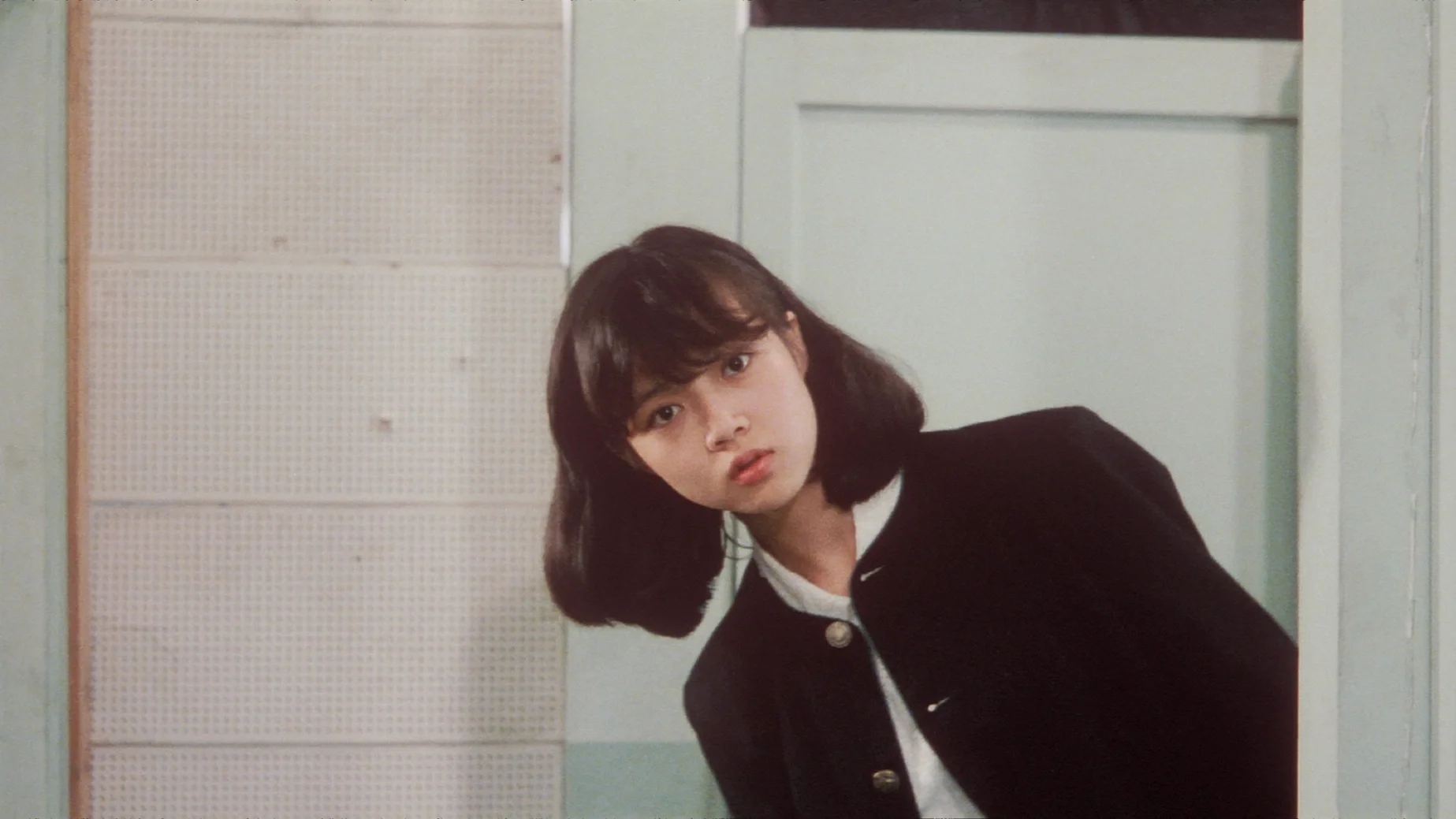
Bumpkin Soup (also known as The Excitement of the Do-Re-Mi-Fa Girl), from Cure director Kiyoshi Kurosawa, explores some questions a lot of young women have sat with at one point in their lives: What if your high school crush went to college and turned into a total loser? Or was he a loser all along? These are the questions faced by fresh-faced and innocent Akiko (Yoriko Dōguchi) when she ventures far away from her home in the country to try and hook up with her former high school heartthrob, Yoshioka (Kensô Kato). What she finds instead is a dizzying and demoralizing flurry of characters that challenge her ideas about what college life could be like. Here, the story gets away from me a bit. Taking the mantle laid out by French New Wave auteurs like Jean-Luc Godard and Francois Truffaut, Kurosawa fragments his film by breaking away from conventional form. Scenes go on a bit too long for comfort, characters address the camera by holding a sign with text on it towards the camera, and we’re not really sure how the rest of the story is supposed to be sprawling out ahead of us. It can be a bit demoralizing to watch, and you can tell that sexuality isn’t the foremost interest of Kurosawa, but playing with and breaking the form of the movie is. There is sex, though, and playful imagery that serve as some small anchors for those more expectant of a conventional pink film. There is an understandable argument to be made here that Bumpkin Soup shouldn’t even be considered a pink film, but I like to think of it as a playful turn on the genre, one that keeps us on our toes until the very end.
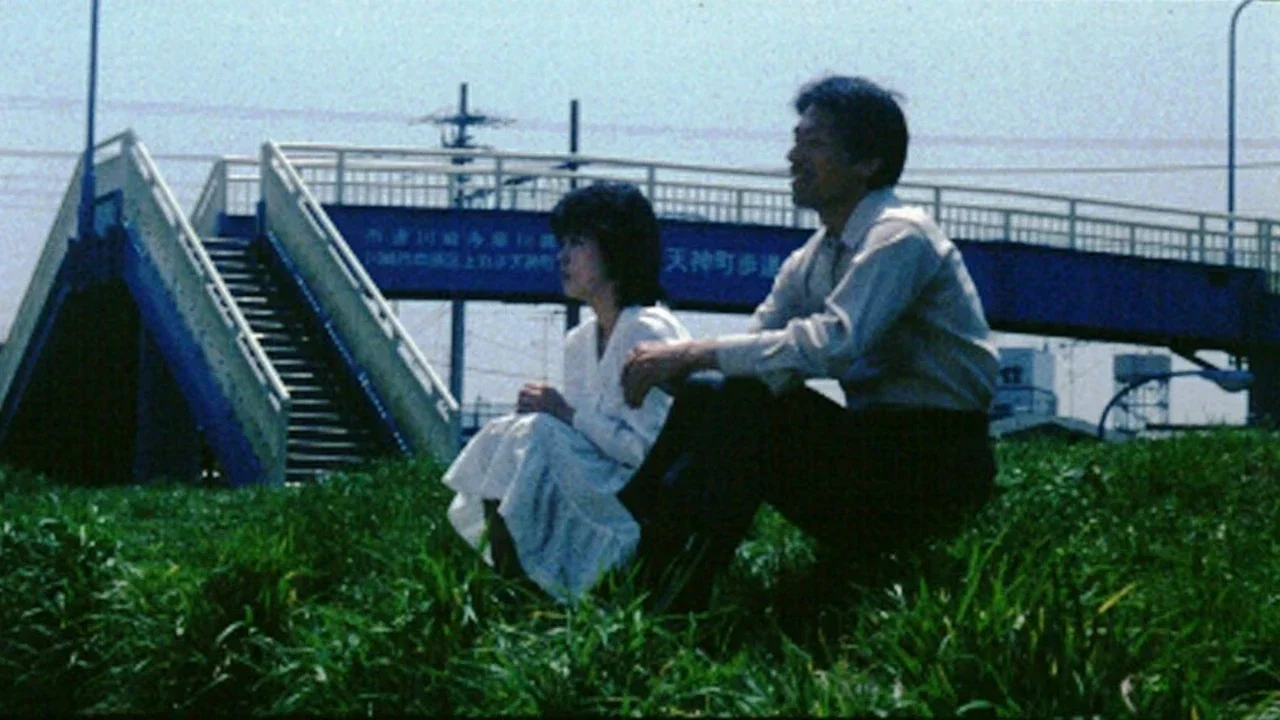
If Bumpkin Soup was about dismantling the pink film through form, then Abnormal Family, from director Masayuki Suo (Shall We Dance?) is about breaking apart the conventions of the pink film through parody. A barely disguised send-up of the films of Yasujiro Ozu, Abnormal Family delivers on its title, taking the bittersweet goodbyes between family members that usually take place in Ozu’s films and inverting it: What if one of Ozu’s heroines married into a family of perverts? Suo delivers on the visual aspects of the parody -- there are many lonely and contemplative shots of hallways, bathhouses, and bars in between the actual sex. There is also a great turn from Ren Osugi doing his best Chishū Ryū (a longtime collaborator of Ozu’s) impression as the patriarch of the titular family. Our unsuspecting bride, Yoriko (Kaoru Kaze), is doing great work here too, forced to balance her performance between shock and acceptance. Family dynamics in Ozu’s works were played out with heartfelt discussions and revelations --here they are punctuated with sex. The younger sister decides to become a sex worker and almost services her brother for the thrill of it. Yoriko’s husband (Shirō Shimomoto) is having an affair with a dominatrix (who might also be his absent mother). They’re all trying to work something out, or at least escape from having to actually work through their issues and lean into them instead. It’s an interesting experiment, and one that people familiar with Ozu’s work and output will probably find charming, if they can handle the truly abnormal circumstances we find this family in.
My experience watching all of these pink films was as intriguing as the movies themselves: the silence in the audience I mentioned in my first piece was a constant most of the time, except for parts of Bumpkin Soup, where one friend’s laughter punctured the chilly theater air. Leaving the theater after every pink film, it was clear that all of the films challenged the people I went to see them with. Sometimes they were frustrated, and sometimes they were intrigued, but they were never neutral about what we had just watched together. That is the great joy of a series like Pink Cuts, taking people out of their comfort zones and encouraging discussions about art that break away from the online space and into the real world. It gives me hope that programming like this is still being done, especially in a time when we’d rather look away from the messiness of the world than engage with it.
If you enjoyed this article, please consider becoming a patron of Hyperreal Film Journal for as low as $3 a month!
Alejandra Martinez is a Tejana archivist, writer, and film lover in Austin, TX. She loves coffee, David Lynch, and tweeting about everything under the sun.
Twitter: @mtzxale.