
Sundance '26: Barbara Forever
At its best, documentary filmmaking can open up new worlds to its audiences. Whether it's chronicling an artist or public figure, they offer us a chance to see someone or something in a new light and with greater understanding. In the Sundance documentary Barbara Forever, filmmaker Brydie O’Connor uses archival footage, interviews, and more to follow the life and work of lesbian filmmaker and artist Barbara Hammer. The result is a poignant self-portrait of one of the world’s most impactful artists, which, even in its limitations, helps us all have a better understanding of the woman at the center of so much seminal queer art.
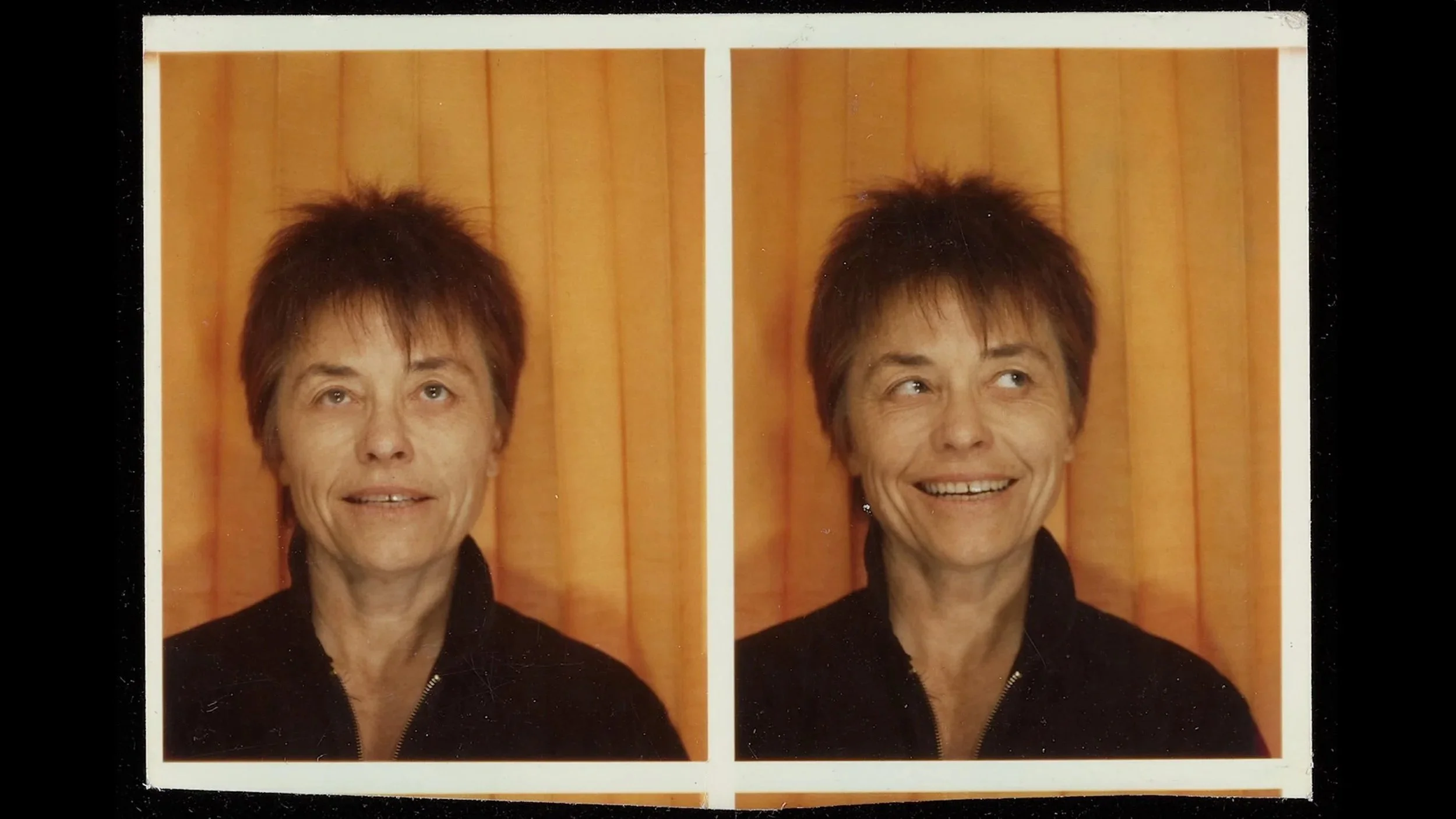
Like docs such as All the Beauty and the Bloodshed, Barbara Forever uses archival footage, interviews with Barbara herself, and her loved ones, to create a comprehensive and deeply personal history of the figure at its center. Barbara takes us through the course of her life, from her lesbian awakening to her first works as a filmmaker and beyond. We watch Barbara grow up on screen through her and others’ footage, giving the documentary a propulsive sense of time passing. The editing, by Matt Hixon, is fluid, adding to the feeling of time progressing as the movie plays on. Hammer’s motivations were simple but radical at the time: to put an honest and personal portrayal of lesbian life on screen. She more than exceeded her own expectations, becoming a pioneer of the lesbian filmmaking scene and helping usher in the New Queer Cinema of the 1990s. The warm grain of archival footage, paired with Barbara’s insights floating over the audio track, offers a front row view of an artist at work and in reflection.
It’s a perspective that helps buoy the film along, but also builds an interesting tension throughout the film. Naturally, as we learn about Barbara’s work, we learn about the rise of the second wave of feminism, offering an interesting but limited scope into the movie’s greater ideas about what kind of lesbian life Hammer was determined to show, exactly. The lack of voices from Black lesbians (aside from one woman, who briefly makes an appearance speaking to Barbara in archival footage) is left uninvestigated. The movie’s focus is singular, and it makes sense that it would zoom into Hammer’s perspective, but it’s an interesting wrinkle in the filmmaker’s legacy as a pioneer of lesbian cinema that the film doesn’t interrogate any further.
This wrinkle is similar to another that the film addresses in the latter half of the film: the tension between older lesbians and younger members of the LGBTQ+ community whose identities can be more fluid than their older counterparts. Specifically, the film highlights the working relationship between Hammer and a younger filmmaker, Joey Carducci. The pair were collaborators and friends, and Carducci even comes out to Hammer as transmasculine by using one of her films, Tender Fictions. Hammer’s understanding response is a testament to her staying power: she may not have had the language we have today to discuss identity and sexuality, but as a queer elder, she’s embraced it and kept looking forward.
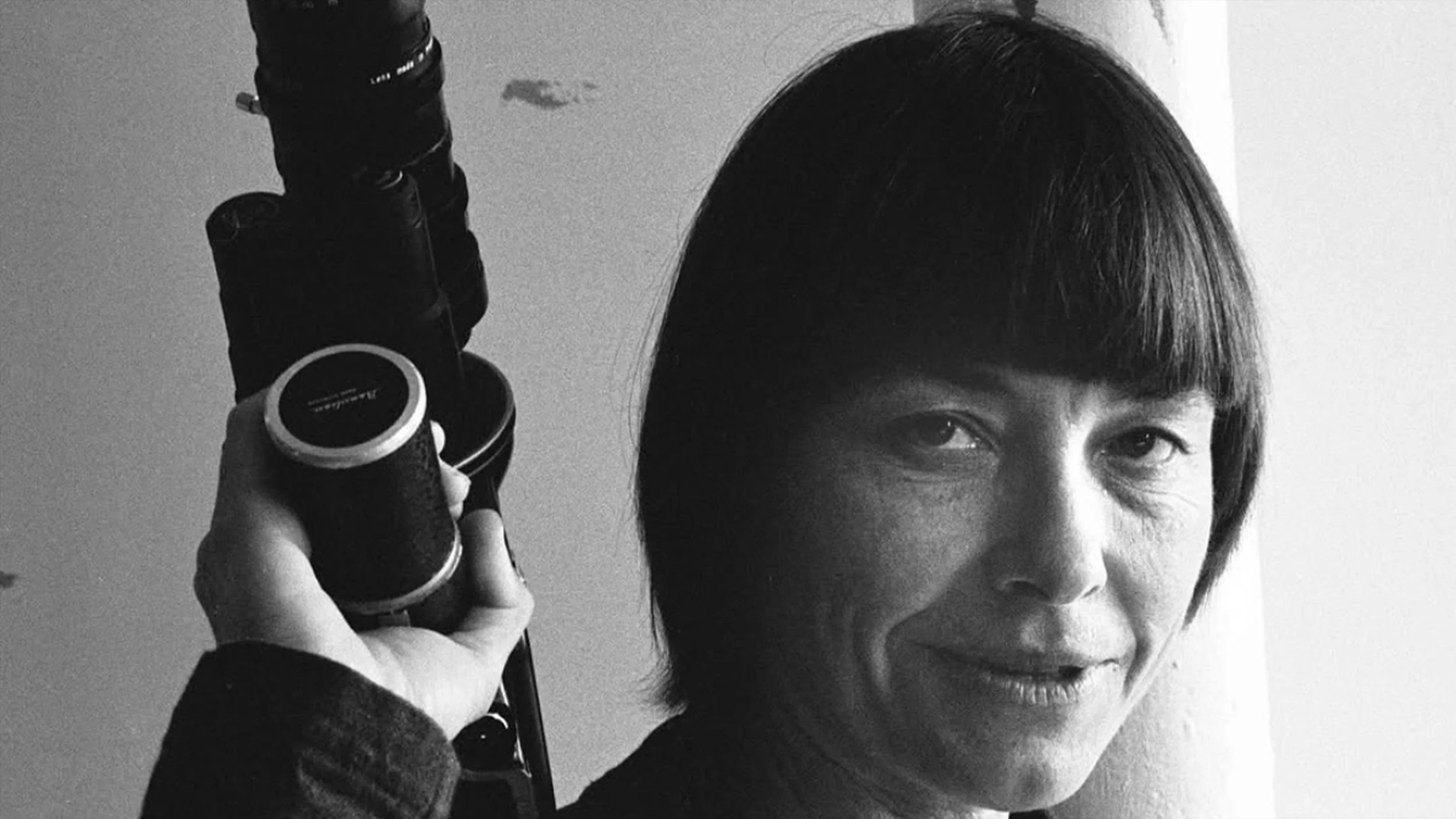
Formally, the documentary stays away from the typical talking head-style that tends to dominate these kinds of films, save for some lovely and moving interviews with Hammer’s partner, Florrie Burke. Burke shied away from Hammer’s camera while she was around, and now finds herself on camera, being interviewed about her. Ultimately, she explains that by speaking about the work and process, a part of Hammer can live on. Much like Hammer’s films, the structure and construction of Barbara Forever feels exciting and fresh, a lovingly rendered collage of Hammer’s work and life. There are segments from Hammer’s films, premieres the filmmakerspoke at, interviews she had about her work, all intermingled with clips from Hammer’s own projects. The most poignant ones, though, are the clips of Hammer documenting herself, especially towards the end of her life. Hammer documented herself as she always had, with an openness that can be startling (Hammer is often nude in her films), but also deeply vulnerable, too. Seeing the images of Hammer closer to death, contrasted with the earlier ones of Hammer in her youth from the beginning of the film is moving. Her self-documentation feels even more urgent because of the disease she was living with at the time: ovarian cancer that would eventually take her life in 2019. Hammer’s work and self-documentation was a kind of self-preservation, making her immortal. Overall, Barbara Forever serves as an essential work of preservation, documenting the life and work of a lesbian icon with love and care.
If you enjoyed this article, please consider becoming a patron of Hyperreal Film Journal for as low as $3 a month!
Alejandra Martinez is a Tejana archivist, writer, and film lover in Austin, TX. She loves coffee, David Lynch, and tweeting about everything under the sun.
Twitter: @mtzxale.