
Klara and the Sun: A Sappy Misfire
Klara and the Sun is Academy Award winning Taika Waititi’s (Jojo Rabbit, Thor: Ragnarok) adaptation of Kazuo Ishiguro’s 2021 novel of the same name. For the umpteenth time, Waititi adapts from an acclaimed novel that ends one of two ways: praise or disaster. The latter unfortunately applies to Klara as it becomes a visually appealing albeit saccharine flop, both artistically and commercially.
Klara tells the simple story of Klara (played interestingly by Jenna Ortega), an android designated as an “Artificial Friend.” Klara is an older model who, far neglected by consumers, captures the attention of Josie (Mia Tharia), to the dismay of Josie’s mother Chrissie (played by Amy Adams). What follows is an unorthodox assembly of philosophical questions about humanity, technology, and love that does not quite find its pacing despite a star-studded cast (Natasha Lyonne and Steve Buscemi make supporting appearances). Most of the film focuses on the relationship between Chrissie and Josie, with Klara being a source of emotional support for the latter. Family drama, like most dystopian films, takes precedence over other fantastic ideas.
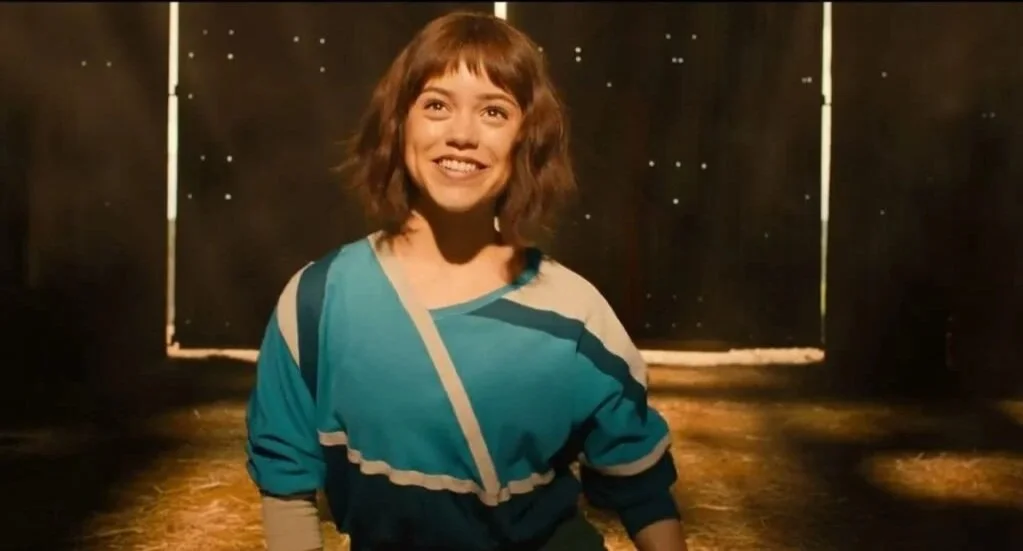
While intentional, Ortega’s Klara feels too daft at times, despite the character needing to be naive and quirky, much like every other character in this impossibly colorful world. Ortega is a household name by now, given her success with big-name franchises (Beetlejuice, The Addams Family, Scream); however, the edginess of Ortega’s past roles does not fit in with the whimsy Waititi wants to create for this type of film. Similarly, Adams feels misused but still becomes a standout given her reputable filmography. The tone of the film is often overshadowed by the cinematography, which is obviously striking but distracts the audience from the supposed message of Ishiguro’s novel, which I have yet to understand.
From the beginning, audiences are fed lore about the world (Earth was, once again, victim of another world war that decimated human’s beloved access to the Internet), but this feels arbitrary given the fantastical and posh (B-3 models) androids that are paraded by kids. Moreover, there is an interesting choice wherein Klara theorizes the Sun is a wish-granting, genie-like deity that, once again, feels like some philosophical exercise that would never make sense in the real world.
Perhaps the harshness of reality does not always have to apply to the world of Klara and the Sun. Naive, paganistic androids and terminal illnesses that still exist (despite lifelike robots casually walking round) are nothing more than cartoonish nonsense that overlaps with the family drama at the center. Waititi may need to redirect his attention to something less sappy and impersonal, so here’s hoping that we receive a much different, if not more personal adaptation of whatever novel he decides to tackle next.
If you enjoyed this article, please consider becoming a patron of Hyperreal Film Journal for as low as $3 a month!
Manny Madera is a tech writer by day and Hyperreal Film Journal editor by night. Most of his free time is dedicated to watching East Asian and Latin American films or writing personal plays. He is currently based somewhere in Austin, TX.