
Finding Power Together: How Sundance’s 2026 program inspires resistance
I didn’t expect to be pulled into a protest during my first Sundance Film Festival experience. Walking down Main Street for the first time, weaving through branded pop-ups and a mix of cinephiles and industry folk in their chicest winterwear, I noticed a small group of people protesting on the sidewalk. One protester was holding a sign that said, “pick up a sign and join us.”
My more extroverted friend Elizabeth was the first to approach and next thing I know, I’m holding a sign that says something far too explicit for the Hyperreal Film Journal and getting interviewed by Salt Lake Magazine (who also wouldn’t use a photo of the sign I was holding). I’m not sure where I found the courage to pick up the most bold sign but it definitely drew the most attention from passersby and gave me an outlet for all the anger and sadness I felt that day.
Less than 24 hours earlier, on January 24, Alex Pretti was shot and killed by two Customs and Border Protection officers in Minneapolis, Minnesota during a period of widespread protests after the killing of Renée Good on January 7.
That morning on Main Street, you could tell a lot of festival goers felt conflicted about our privileged agenda: Watch as many movies as you can, maybe see a celebrity or network with influential people in this wealthy and insulated resort town. But as more people joined the protest, we found community and grounding in each other.
I had spent the previous week watching films about this very thing: people finding power in ourselves and each other when the systems around us fail. Across both narrative and documentary features, there was a noticeable throughline of this message. And although Sundance is no stranger to protests (in 2024 and 2025 groups of pro-Palestinian protesters gathered on Main Street and in 2018 celebrities joined hundreds in the Women’s March), it felt like these stories of resilience we were watching had a subconscious impact on us that day.
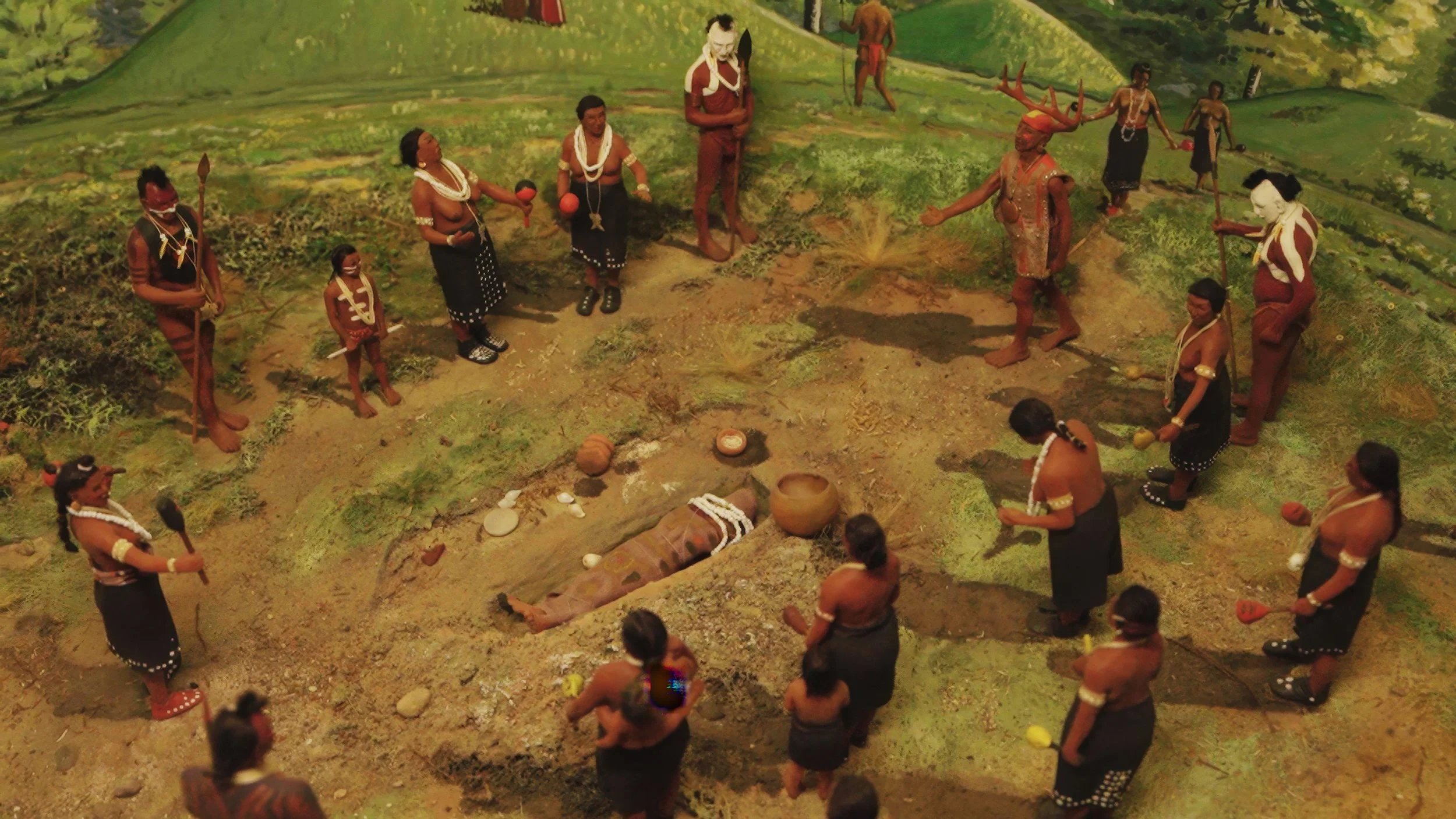
Take Aanikoobijigan, a documentary about a group of Michigan repatriation specialists who formed an alliance to reclaim their Indigenous ancestor’s remains. Due to their courageous efforts and collective pressure, so many ancestors and artifacts were returned home.
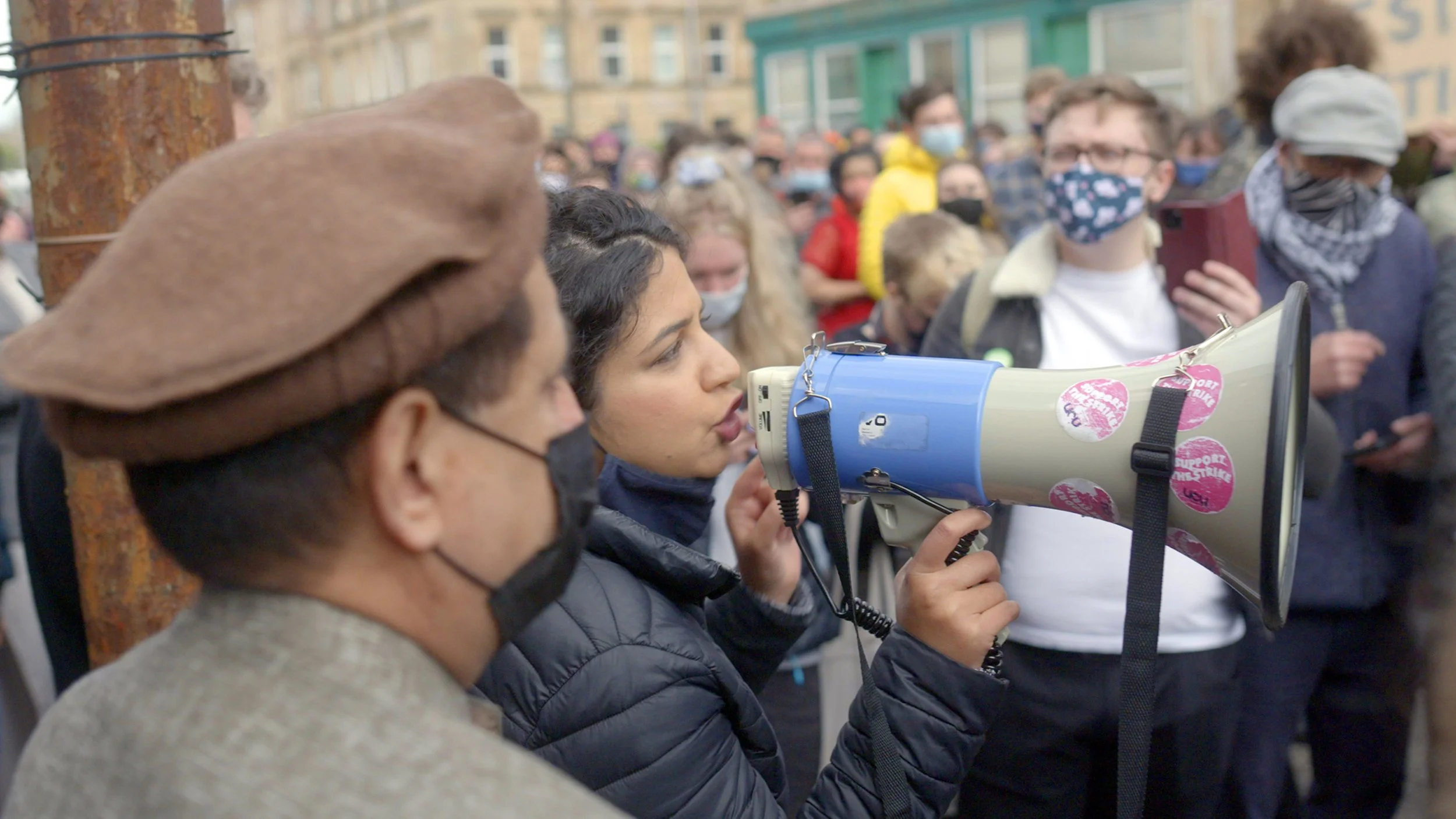
That same sense of care and community showed up in a more urgent and fast-paced documentary titled Everybody to Kenmure Street, which felt the most parallel to our own reality in the U.S. The film reconstructs a real-life event in Glasgow, where neighbors quickly mobilized to stop a dawn immigration raid before two local men could be taken away. Hanging by a Wire also gave me a similar adrenaline rush, from not only the children dangling in a broken cable car 900 feet above the ground in a rural Pakistani village, but the heroic swift action that their community took to save them when the police and government systems proved ineffective.
In The Lake, a documentary about the dire water levels of the Great Salt Lake and its potentially catastrophic environmental effects, we see what it looks like to bridge that gap between people with opposing viewpoints who are forced to work together in the name of progress. Scientists, activists, farmers, and politicians came together to solve this crisis and make concrete steps towards repair.
On the narrative front, films like The Friend’s House is Here center artistic communities as a form of resistance, and how they can provide both care and challenge the status quo. Shot in secret and smuggled into the States for the festival, the film becomes an extension of its message.
Even more intimate films like The Huntress (La Cazadora) still exemplify how one person’s act of resistance can cause a ripple of change. Director Suzanne Correa imagines what the real-life Diana, the Hunter, a missing Juarez woman who fought back against bus drivers assaulting women, was like and what led her to take action.
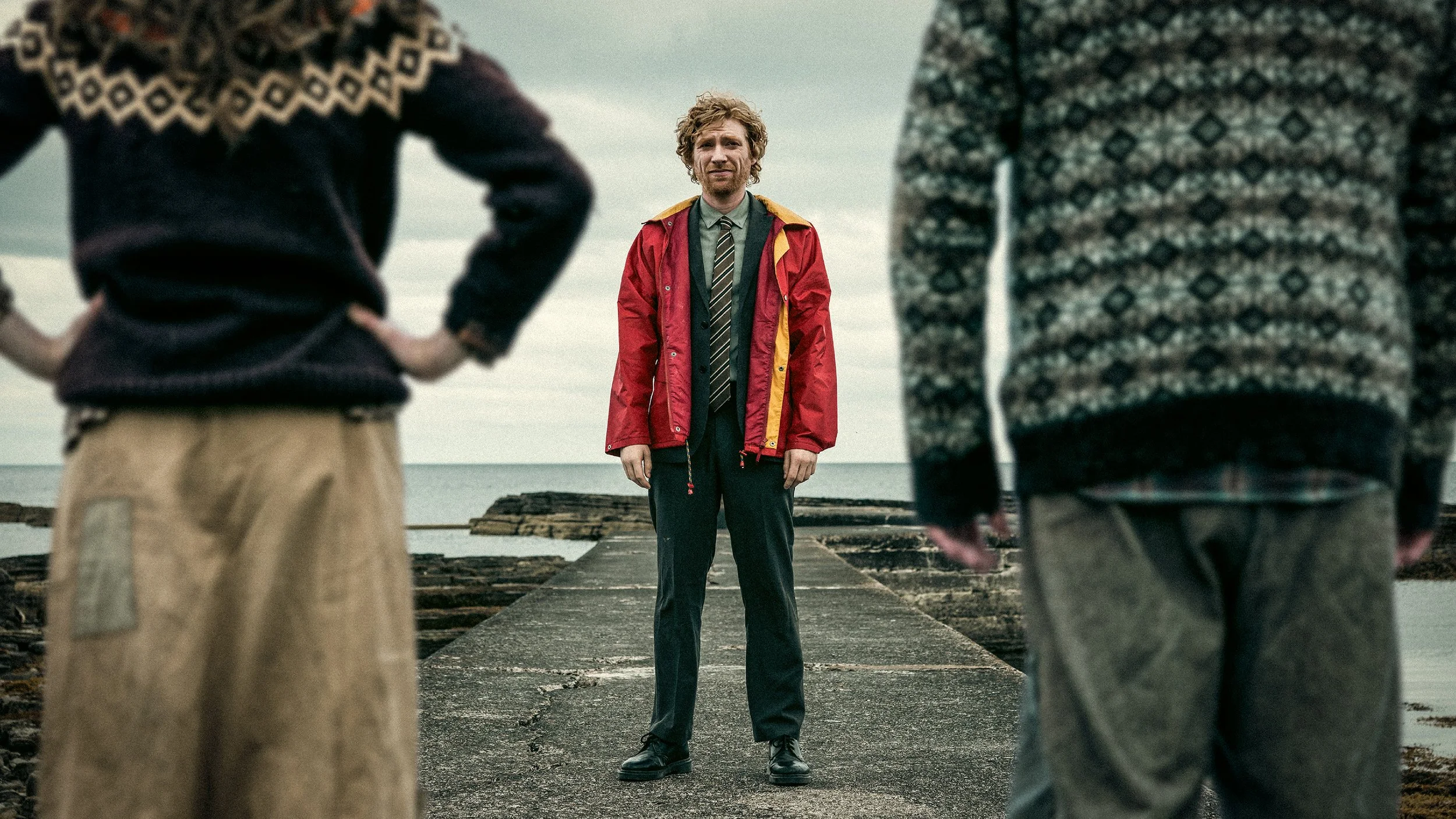
And more light-hearted films like The Incomer show how even a community of two can have power. Set on a remote Scottish Island, a brother and sister live a secluded life with one mission: to protect their home. When a bureaucrat at the land recovery office tries to reclaim the land, he’s met with formidable opponents and a glimpse into another way of life.
It’s not that Sundance hasn’t programmed impactful films before. But something about this year felt more cohesive. That shift was echoed in conversations happening offscreen as well. At The Impact Lounge, industry leaders including Margot Fahnestock of Population Media Center challenged the long-standing belief that films must choose between being commercially successful and socially impactful.
According to the Population Media Center, there is increasing research into how stories can move audiences from emotional connection to measurable action. We’re living in a time defined by division with leaders who are unwilling or unable to bridge the gap, where that kind of storytelling feels more necessary than ever. People are starting to look elsewhere for guidance and connection, and whether it’s through their friends or through film, we have more examples than ever of what collective action can look like.

At an event supporting equality in Utah in 2013, Sundance’s late great founder Robert Redford spoke about the power of “collective action” and urged young activists to “use their voice.” This year’s programming really evoked his spirit. We all know that feeling you get when you leave a film so good you want to change your entire personality or even pick up a bold sign and protest. I felt that more than once this Sundance, and I’m excited for the many films in this year’s program to make their way to theaters and streaming services so hopefully everyone can feel it too.
If you enjoyed this article, please consider becoming a patron of Hyperreal Film Journal for as low as $3 a month!
Jenni Kaye is the co-founder of Hyperreal Film Club and Content Producer at Mondo. In her free time she’s making TikToks, roller skating, and convincing more people to watch BREATHING FIRE.