
The Social Reckoning Review
David Fincher’s 2010 masterpiece The Social Network carries a massive place in pop culture. The way he moves through the, at the time, story of the inception of Facebook felt real and snappy and tactile. Aaron Sorkin’s script was punchy, but had so many emotional beats mixed into this insane word jumble giving the actors so much room to play. It’s a master class in filmmaking and looking at an ongoing situation with a sense of sincerity that others would have an issue tackling without coming off as someone reading a New York Times article at you for two hours. Because of the ever changing nature of social media and the tech world, people had been asking for years for an update in the Facebook saga. The landscape of social media was evolving in real time, and we were all experiencing new things like Instagram, Vine, and TikTok and there seemed to be a real story there. People involved with the first film teased that there was more to the story and the hype was there. Years passed, the writer became a director, and after getting a few reps under his belt, he announced that he had been writing a follow up. Would it be a sequel? More of a spiritual successor. Would the original cast return? Nah, they all moved on to other things. Would Trent Reznor and Atticus Ross graze our ears with another banger like “Hand Covers Bruise”? No, but we got Alexandre Desplat and they made up for their absence with the incredible Tron: Ares score. So just what is this new entry in the Facebook, now Meta, saga?
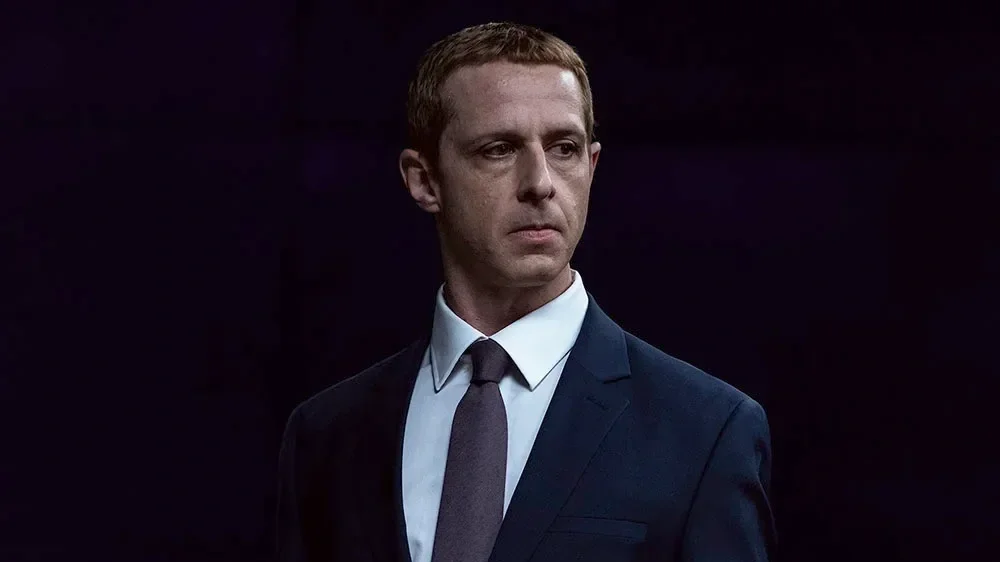
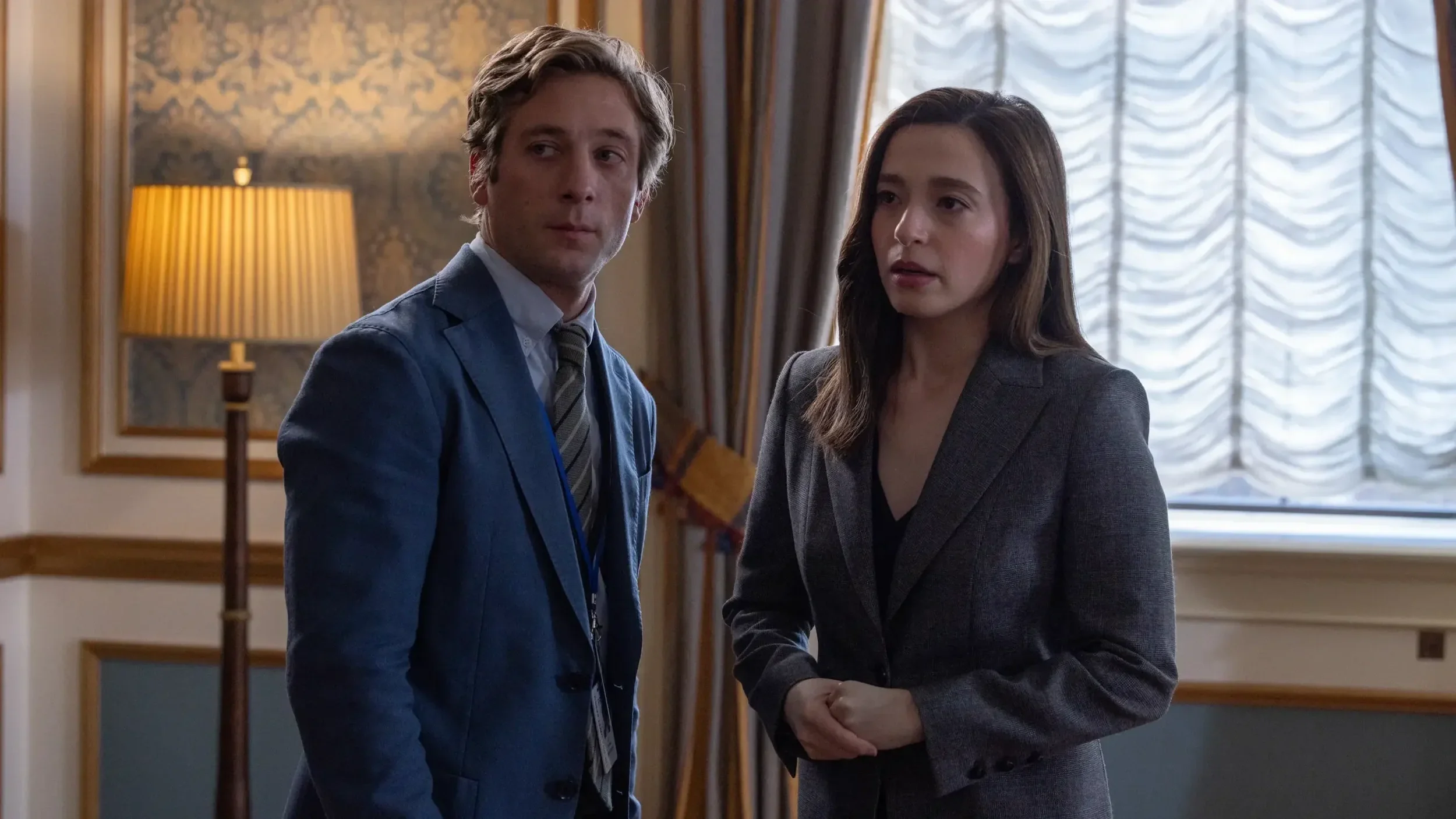
The Social Reckoning is the latest from Writer/Director Aaron Sorkin, set roughly 16 years after Mark Zuckerberg drunkenly created the modern day equivalent of the nuke in his dorm room. Facebook is in some hot water after favoring interaction and clicks over the user’s well being. If you think you’ve seen this story, it’s probably because you watched it play out in newsrooms, congressional hearings and Wired op-eds. What you haven’t seen is everything that it took to get to that point told through a non-linear story that spans from 2019 to 2021. Jeff Horowitz (Jeremy Allen White), an investigative reporter for The Wall Street Journal who is NOT a tech journalist (the movie really wants you to know this is an analog type of guy) is moved to the San Francisco division and tasked to cover Facebook. He isn’t convinced of its mission or purpose and seeks out to uncover the truth. Frances Haugen (Mikey Madison) is a data engineer at Facebook and she REALLY believes in the mission of Facebook (she mentions that a few times) and the good that it can do for people who struggle with finding community in their peer to peer interactions. When she notices that the platform’s algorithm might be intentionally radicalizing its users, she reaches out to Horowitz with just the scoop he’s been looking for. Mark Zuckerberg (Jeremy Strong) is back with a new haircut and a much more glib view on the beast he’s created. He’s absent mentally from the day to day happenings in the company. He’s dismissive when presented with new and potentially dangerous information and statistics about the services he runs. He just can’t find the right color of tie for his big sit down with people who question whether the platform has any right to make the decisions it’s made up to that point. These three stories weave together to present a larger picture.
That all sounds fine and dandy on paper. It’s the update that had been teased and discussed for so many years, but it’s missing something crucial that its predecessor had oozing from every pore: aura. The facts are all there and Sorkin’s writing is as snappy as it's ever been. He doesn’t miss the mark on that front, but the whole movie is devoid of swag. Scenes that felt dynamic and full of life before just feel hollow and empty here, and not for lack of trying from the cast. Jeremy Allen White and Mikey Madison are trying their hardest to give this movie a tempo and a beat and bring life into these real life figures. The problem they’re facing is that every time they try to give this movie a pulse, they’re kneecapped by the movie having virtually no style. Sorkin’s direction here is stale and matter of fact which works in stark contrast to the moody and at times hilarious flow of Fincher. This is a functional movie, meant to present the facts, where jokes and character beats feel like intrusions instead of contributions. A lot of this falls on the evolving reality of the story, we’re still living in it. Where the first film felt finite but optimistic about the future of Facebook, this one feels like it takes place in the middle of an ongoing story which works to the sequel’s detriment.
It’s hard to separate the two films from each other because of their genetic ties. Ultimately what’s presented here is a movie that acts as a perfect recommendation for an older and less online generation. Something that holds their hand through the inner workings of the story they watched on their selected news network, and tells them how to feel by the end of it. None of the characters here are as complicated as they were before, their relationships significantly less nuanced. It was an incredibly high bar to live up to, but instead of trying to make its own way and not live in its older sibling’s shadow, it leads to a final product far less impressive and significantly less triumphant.
If you enjoyed this article, please consider becoming a patron of Hyperreal Film Journal for as low as $3 a month!
Blake Williams has a B.A. in Film and Television Production from Ball State University. He aspires to one day be a director, but until that day comes you can find him at a showing of whatever's playing that day or at home alphabetizing a shelf of movies and games and muttering about how he should "slow down on spending."