
The Melodrama and Sincerity of Maddie's Secret
When we first meet Maddie Ralph, she is briskly jogging through Los Angeles on her way to her dishwashing gig. She blissfully pieces together her own culinary concoctions on her work commute, finding inspiration in the food culture of the city before assuming her crucial but unglamorous role at the glitzy internet test kitchen Gourmaybe. Later, she goes home to make her husband dinner and ends up in post-production after he films her making eggplant smash burgers, subsequently launching her influencer career. Starring, written, directed, and produced by comedian John Early, Maddie’s Secret lovingly outlines one woman’s struggle with an eating disorder while maneuvering sudden foodie stardom.
In the eyes of all of those around her, Maddie is a “good girl,” and, played by Early with potent sincerity, she is darling yet primed for a bubble bursting. The cast is rounded out by Early’s bestie Kate Berlant, whose intense performance as Maddie’s toxic lesbian best friend Deena relentlessly dials up the theatricality of Maddie’s world, as well as Eric Rahill as Maddie’s adoring yet oblivious husband Jake. Connor O’Malley makes an appearance as Maddie’s grotesquely gross boss at Gourmaybe, Kristin Johnson plays Maddie’s ruthless, self-absorbed mother Beverlee, and those in Maddie’s closest circle all fan the flames of her inner turmoil which eventually cracks the veneer of her Pollyanna personality.
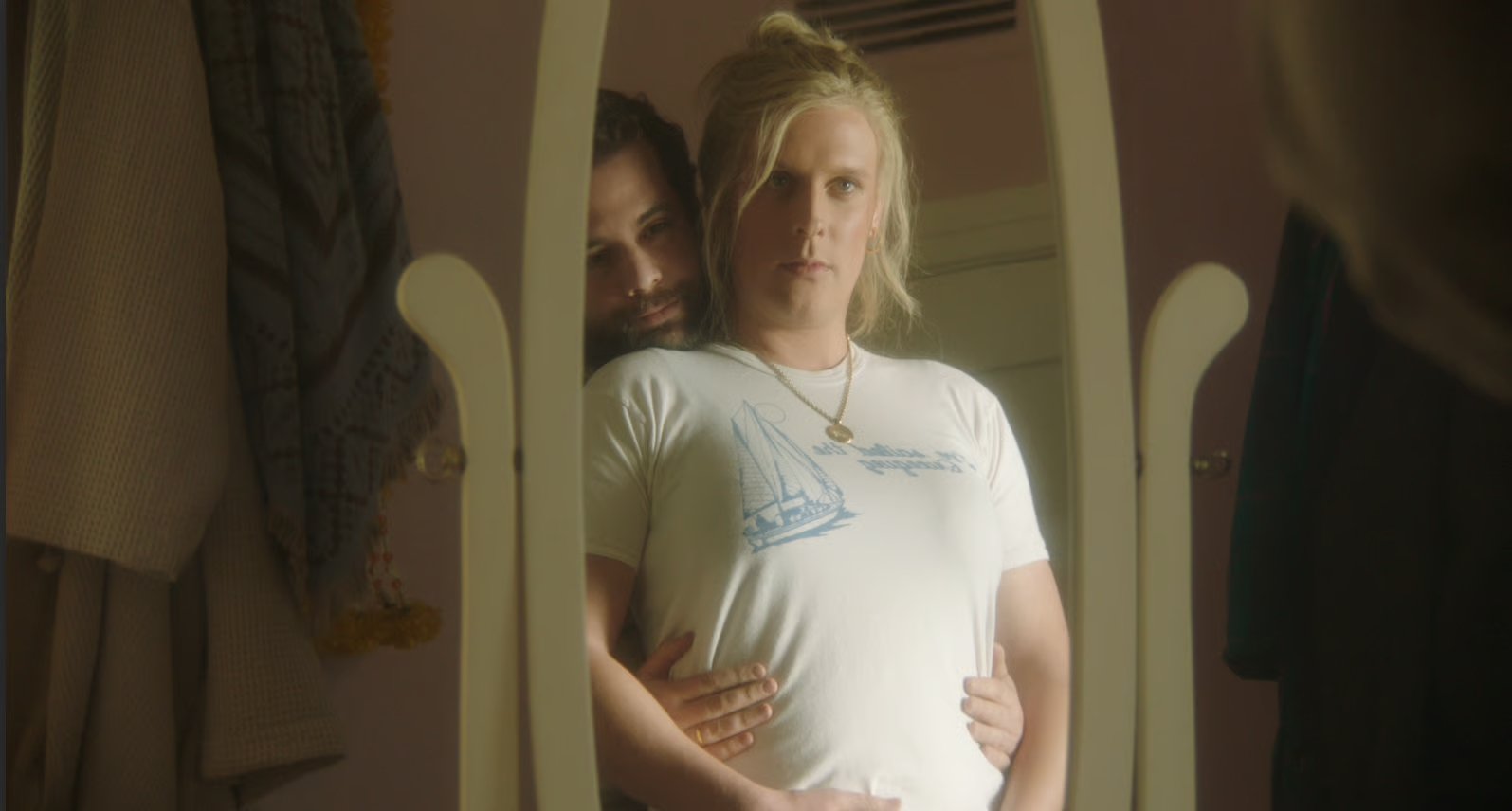
Throughout Maddie’s Secret, Early blends influences of high camp classics such as Paul Verhoeven's Showgirls (1995), John Waters’ Polyester (1981), Hitchcock’s psychosexual dramas, and melodrama master Douglas Sirk’s ‘50s output, and, in the script, Early plugs a reference to Joseph L. Mankiewicz’s adaptation of the deliriously deranged Tennessee Williams play Suddenly Last Summer (1959). Ahead of the film’s debut in Austin, the director programmed a series of films that inspired Maddie’s Secret, including Sirk’s Imitation of Life (1959) and Michael Roemer’s family drama Vengeance is Mine (1983). Like other gay directors before him—namely Todd Haynes, Rainer Werner Fassbinder, and Pedro Almodóvar—Early understands melodrama’s distinct place in queer cinema history, and he pays dutiful homage to the iconic moments of those films, while creating some iconic moments of his own.
Max Lakner’s cinematography mirrors the Technicolor moods established in the years of MGM musicals and melodramas, filled in with soft edges that give the film a cinematic, dreamy texture. Maddie’s Secret is Lakner’s debut feature film credit, and it's one of the best looking films to come out in the last few years. That is to say that as undeniably talented as Early is, he also recognizes the talents of others, pulling them together in a strange alchemy.
Even with the classic film references aside, Maddie’s Secret can feel like a series of inside jokes meant for a very specific group of film-buff gays who have long-struggled with a… love/hate relationship with food. It’s for those who knew a little too much about the fall of Bon Appetit, and the nitty gritty details of Alison Roman’s “cancellation,” and had their own stint of vegetarianism. The real-world food culture references are explicit, peaking with the inclusion of The Boar, a cooking drama that’s actually doing so much more for food culture at large. This satire feels akin to that of The Other Two, poking fun at the inner workings of a sometimes silly industry driven by virality and brand deals. Similarly, while some viewers may feel left out of the joke, those that get it, get it.
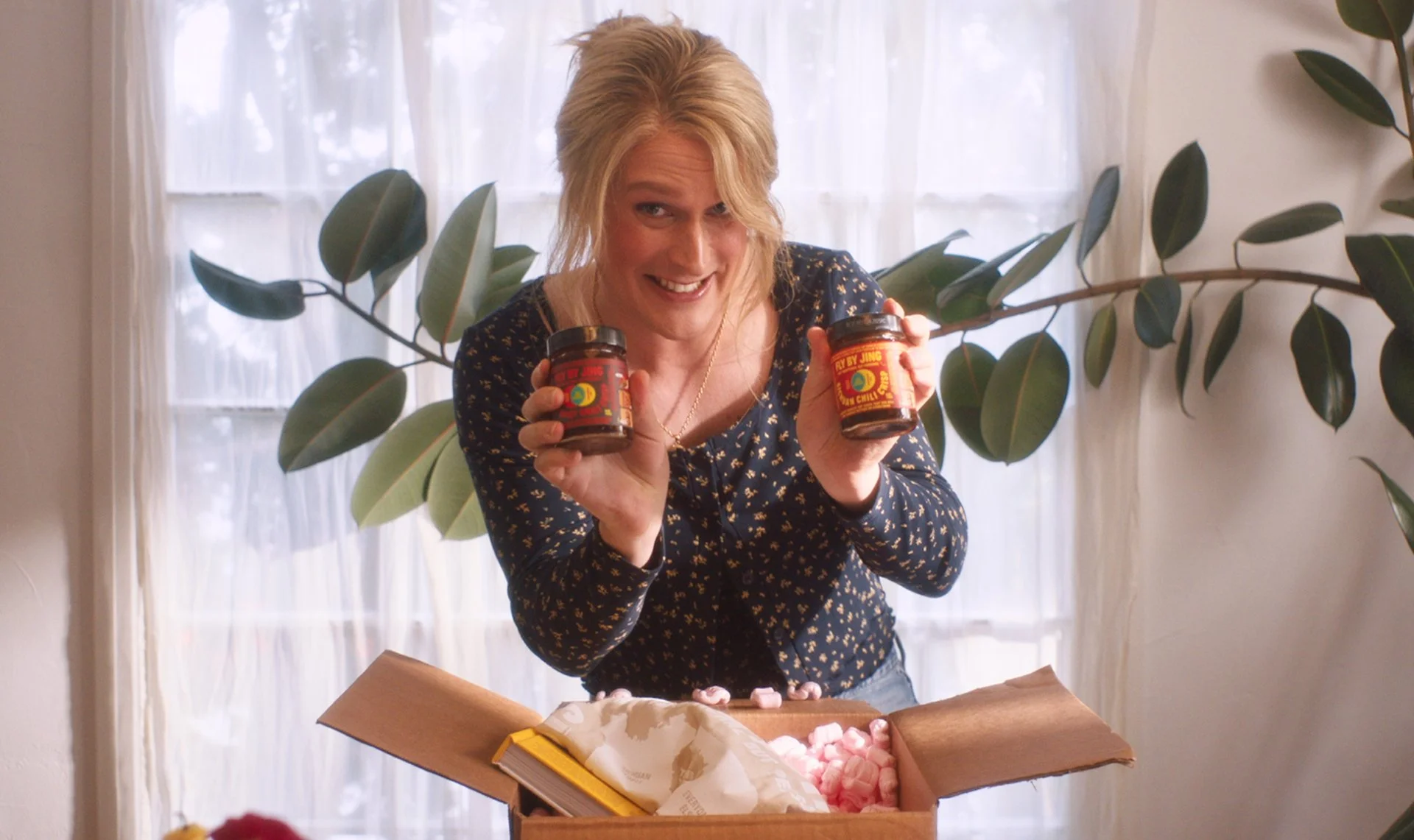
What’s never a joke in this outrightly funny feature is Maddie’s negative feelings about herself or her struggles with disordered eating. The jokes of Maddie’s Secret are not made at the expense of the lead character, and so much of Maddie’s struggle rings true, from her “ethical” commitment to vegetarianism to her mom’s role in developing her eating disorder. When Maddie pushes herself to her limits in a queer dance movement class, it’s a brutal watch as we see the once vibrant Maddie become a shell of herself. Early’s performance of Maddie is never played as mocking, with a sincere commitment on the actor’s part to giving Maddie life and light. His embodiment of Maddie is grounded and loving and makes her dearly loveable, and this characterization makes the fraught outcome of her eating disorder all the more grim.
The diligent road Early paves with humor and levity assuages the viewer into comfort before the real emotional punches land and Maddie is forced to seek serious help for her illness. Maddie’s Secret achieves the emotional magic of melodramas: the viewer unknowingly finds themselves swept up in the heightened emotions at the story’s peak, with crushing emotional consequences. Maddie’s Secret feels like a salve for the Ozempic age, and it is an extremely bold movie to make in a time when disordered eating feels normalized and openly encouraged. It does not shy away from the catastrophic effects of an ED, and it does not let the viewer off the hook with a finely wrapped up narrative. Maddie—like all of us—must continue to give herself compassion and find herself outside of the narrative others have constructed for her.
If you enjoyed this article, please consider becoming a patron of Hyperreal Film Journal for as low as $3 a month!
Gabrielle Sanchez is a film and music writer who just wrapped up two years at A.V. Club. Her main movie loves are rom-coms, noirs, and movies about women going insane. Some of her favorite directors include Robert Altman, John Cassavetes, and Ernst Lubitsch. When she’s not watching or writing about ‘30s screwballs, she can be found milling around coffee shops on the East Side with her dog Jepsen.