
Sundance '26: Josephine
There’s a distinct kind of silence that settles over a theater when a film crosses a line you didn’t realize it was approaching. It’s a bit heavier, you can almost hear everyone recalibrating, unsure of how to respond.
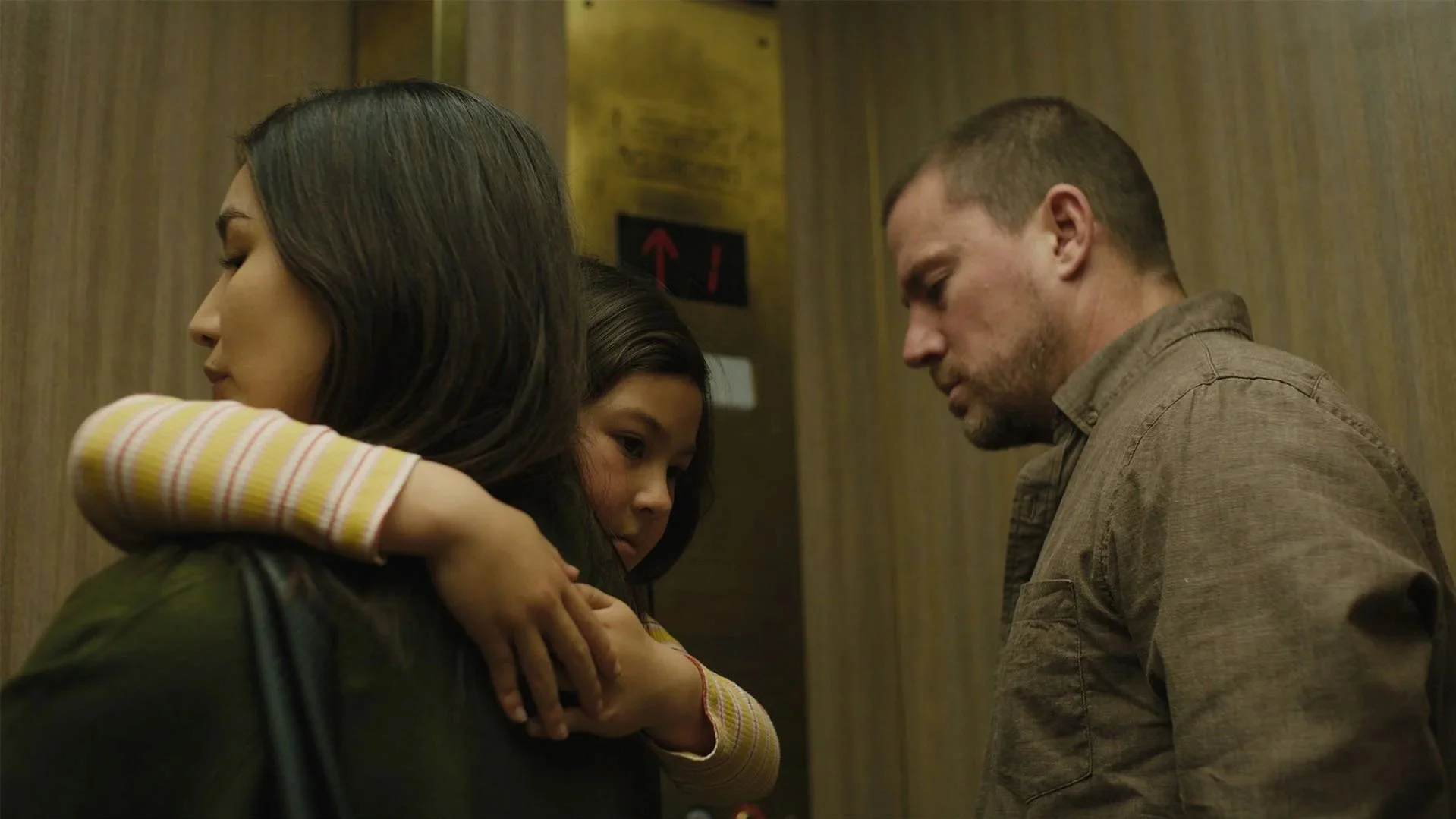
That’s the space Josephine lives in.
Winner of the Grand Jury Prize at Sundance 2026, the film centers on an 8-year-old girl (Mason Reeves) who witnesses a sexual assault in San Francisco’s Golden Gate Park while on a run with her father (Channing Tatum) and the rippling effects of that experience. She’s too young to understand what she witnessed and the trauma it left her with, but we see her begin to act out in school, trying to find answers on the Internet by searching a misspelled “RAIP,” and bluntly ask her mother if she’s been assaulted too.
For the majority of the film, we are with Josephine and experiencing the world from her new perspective, guided by the precise cinematography of Greta Zozula, including one clever device director Beth de Araújo uses to show how the attacker’s image haunts Josephine (which I won’t spoil here). This perspective begins with the assault, which we as the viewer see play out in graphic detail, just as Josephine does but with more understanding of the gravity of the act. The scene lingers longer than you’d expect it to and we’re forced to sit with it in the same confusing, inescapable way she does. It’s a bold choice that sets the tone for everything that follows.
Inspired by traumatic events from her own childhood, Araújo developed the screenplay for Josephine through the Sundance Institute in 2018, and after Covid delays, began production in early 2024. This is her second feature after 2022’s psychological thriller Soft & Quiet, which also centered on one person’s perspective but of a meeting of white supremacist suburban moms.
The key to Josephine’s success hinged on the right casting, and in the Q&A after the premiere Araújo shared how she discovered Reeves at a farmer’s market in San Francisco. “I saw Mason running to buy a bunch of dates for her mom. I said, ‘Who’s your parent?’ And she just looked at me like, ‘Why? Are you getting me in trouble?’”
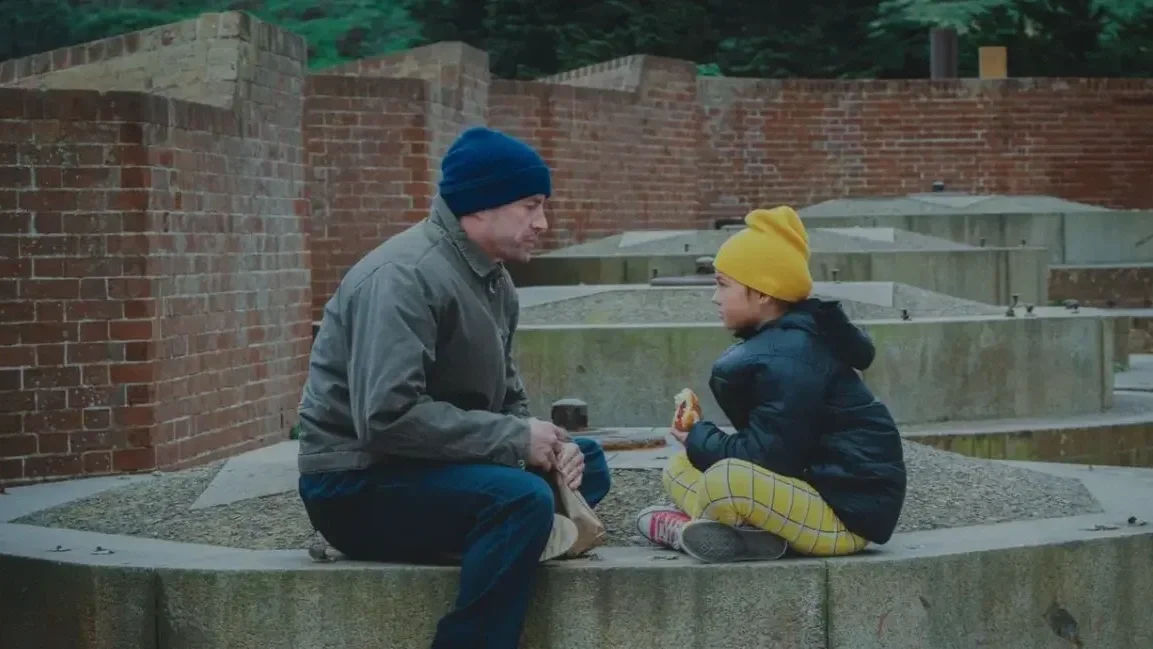
Reeves’s performance earned her a standing ovation and felt all the more impressive after learning how Araújo kept a lot of the grim details from her during production. In that same interview, she shared a desire to star in a film set in Paris, so it’s clear she caught the acting bug and we’ll be seeing more of her.
That heavy uncertainty I mentioned the film living in earlier stems from Josephine’s parents, who have differing beliefs on how to help her. Her mother (Gemma Chan) thinks she needs professional counseling while her father enrolls her in self-defense classes. Both feel well-meaning, but as viewers, we’re aware of the magnitude of the horror Josephine witnessed, and so both approaches feel inadequate. One aims to understand while one wants to protect, and the film, and Josephine, resist choosing between them.
Chan and Tatum give stellar performances, with Tatum getting an opportunity to continue to evolve from big-budget shirtless and comedic roles. He shared in the Q&A how his performance was influenced by his own journey in fatherhood with a 12-year-old daughter. “How I parent is very different from the way my dad and parents’ parents parented. I took a little bit of both from now and then.” And with this performance and last year’s Roofman, I imagine we’ll see more nuanced roles open up for him in the future and possible award nominations as well.
Another standout performance for me was the score by Miles Ross, Araújo’s real-life partner. “I felt really fortunate to be with a composer who cares so much about the project. Before he would sit down to write the music, he would read an essay by Roxane Gay or a chapter by Roxane Gay every single time before he sat down. I really appreciate how much he did the film justice.”
While the subject matter of Josephine is a risky approach and will likely be triggering for some, in Araújo’s careful hands we’re left with a uniquely modern portrait of how there is no right way to navigate healing from trauma; and further how trauma can seep into everything in our daily lives, at school, at home, or in quiet moments where there’s no language to process what happened. Now more than ever, children have access to adult material and I imagine for some parents it will be validating to see that we’re all just doing our best to navigate the repercussions, often without fully understanding them ourselves.
If you enjoyed this article, please consider becoming a patron of Hyperreal Film Journal for as low as $3 a month!
Jenni Kaye is the co-founder of Hyperreal Film Club and Content Producer at Mondo. In her free time she’s making TikToks, roller skating, and convincing more people to watch BREATHING FIRE.