
Tom Cruise: A Retrospective
It’s hard to remember now, but before Tom Cruise decided that hanging off the Burj Khalifa and the sides of airplanes was the proper way to entertain his audience, for the first 25 years of his career, the actor had been focused on director and auteur driven projects. However, with the release of the seemingly final Mission: Impossible movie last year, it seems the action heavy chapter might finally be coming to a close and a new one beginning with Digger, directed by Alejandro G. Inarritu (Amores Perros, The Revenant).
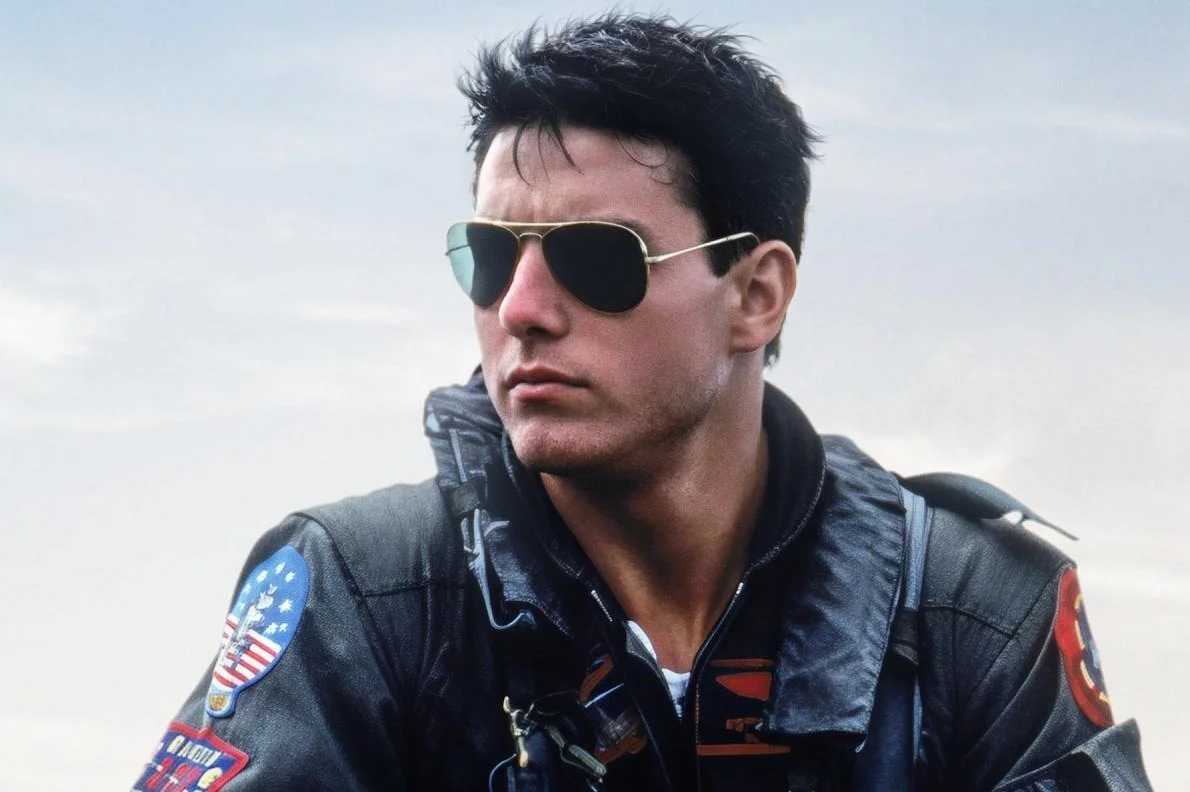
By the time Cruise had his first blockbuster success with Top Gun in 1986, the actor had already worked with directors like Francis Ford Coppola (heard of him?), Curtis Hanson (L.A. Confidential, Wonder Boys), and Ridley Scott (Alien, Gladiator). Oh, and he also worked with Martin Scorsese on The Color of Money (alongside Paul Newman) the same year as that little plane movie, and that’s just five years into his career. This is what the experts call “Insane”. Two years later, Tom would star in his first Best Picture Oscar winner with Rain Man, directed by Barry Levinson. From this point on, it’s safe to say Cruise was fully in control of his career, at least in terms of what projects he did and did not want to do.
The actor plowed through the remainder of the 80s with the hit romantic drama, Cocktail, as well as the Oliver Stone (Platoon) directed biopic Born of the Fourth of July, which would garner Cruise his first Oscar nomination for Best Actor, playing Vietnam vet/activist Ron Kovic. In any other year, Cruise probably would have won for this part, if only a little actor named Daniel Day Lewis hadn’t popped up on the scene in My Left Foot.
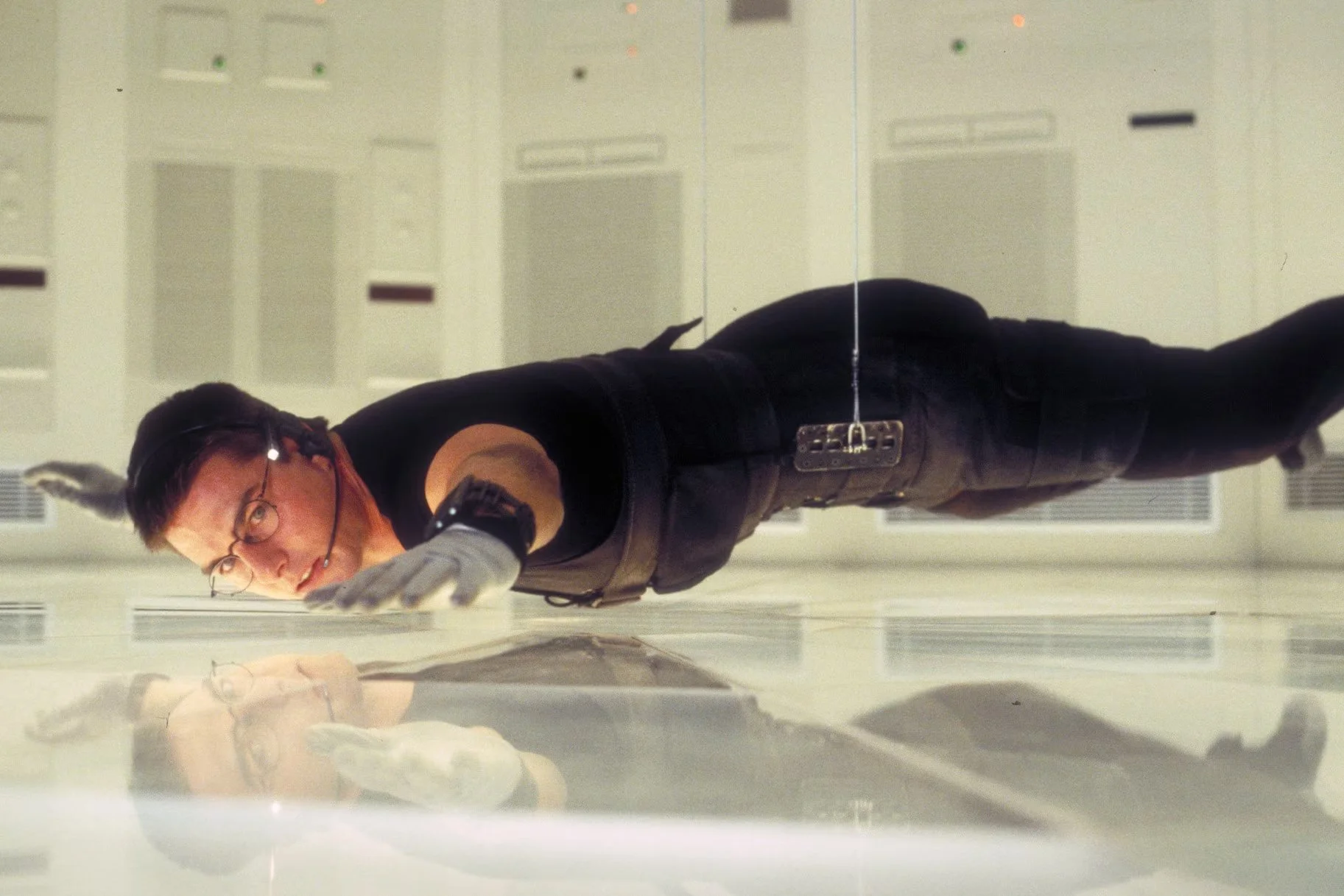
Beginning at the tail end of 1992, the actor would star in five movies that each grossed $100 million domestically in a row, and two of those were nominated for Best Picture. First up, Rob Reiner’s A Few Good Men (Reiner himself was also in the middle of a generational run, releasing Stand By Me, The Princess Bride, When Harry Met Sally, and Misery). Then Tom worked with the legendary Sydney Pollack (Tootsie) on the John Grisham adaptation The Firm, followed by Interview with the Vampire, directed by Neil Jordan (The Crying Game). In 1996, Tom decided he’d like to get back to action with his first action flick in 6 years, MIssion: Impossible, an adaptation of the popular 60s television show. It’s worth noting that this was the first movie Cruise got to be a lead producer on, which meant he could hand pick his director as opposed to simply working with one. As previously noted, the actor was a fiend for an auteur, so naturally he picked the legendary Brian DePalma (Scarface, The Untouchables) to helm the spy thriller. The film became Cruise’s biggest hit since Top Gun and Rain Man, and it launched a franchise that would last almost 30 years.
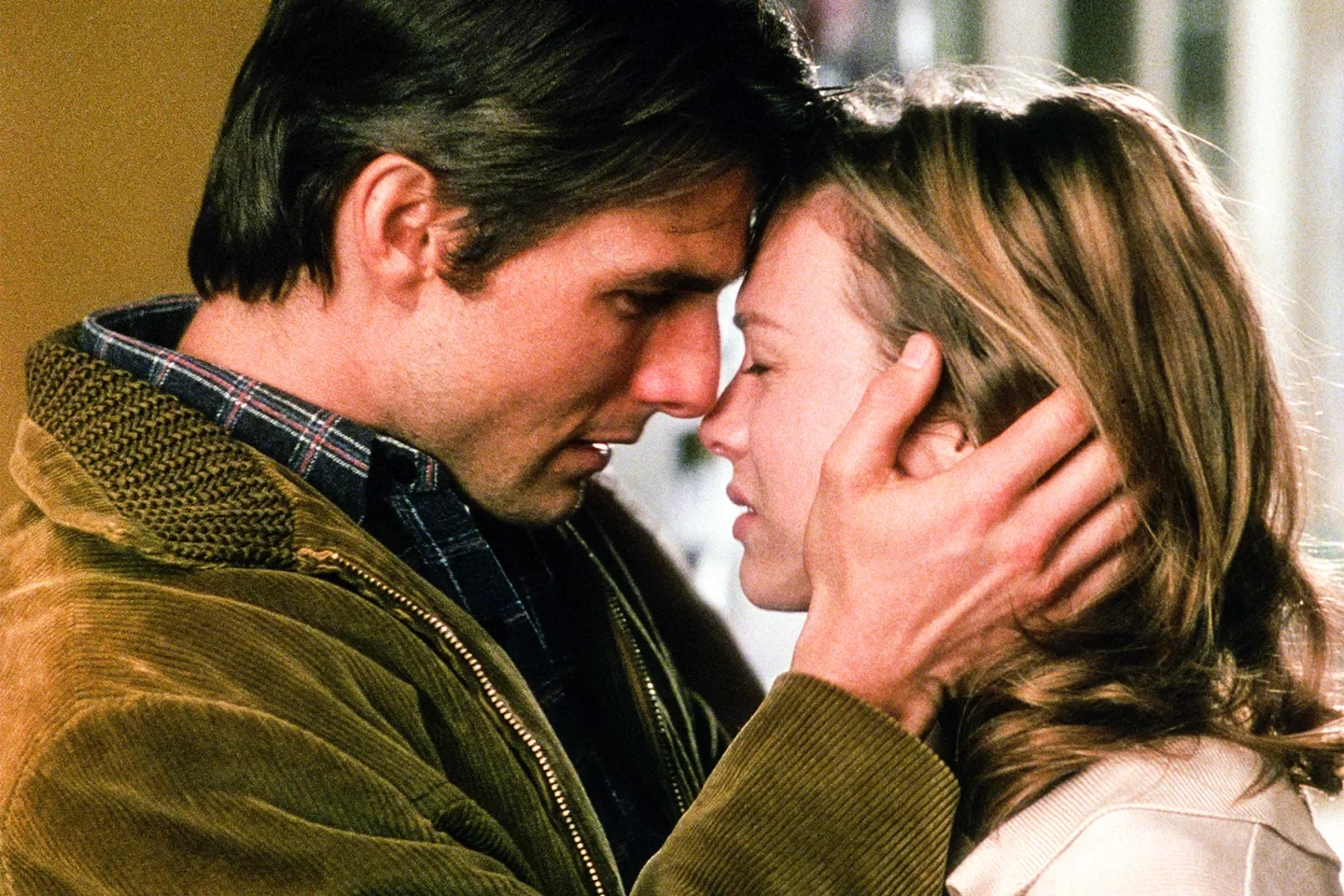
That wasn’t the only movie the mega star had on his slate for ‘96 though. Cruise also had the romantic dramedy Jerry Maguire, directed by Cameron Crowe (Almost Famous), for which he earned his second Oscar nomination for Best Actor. In a fair and just world, this would have been his first win. Unfortunately, Geoffrey Rush showed up as an autistic musical genius in Shine, and the Academy couldn’t help themselves. No matter though, the movie was a massive hit and earned four other Oscar nominations, including one win for Cuba Gooding Jr.’s memorable turn as Maguire’s one and only client.
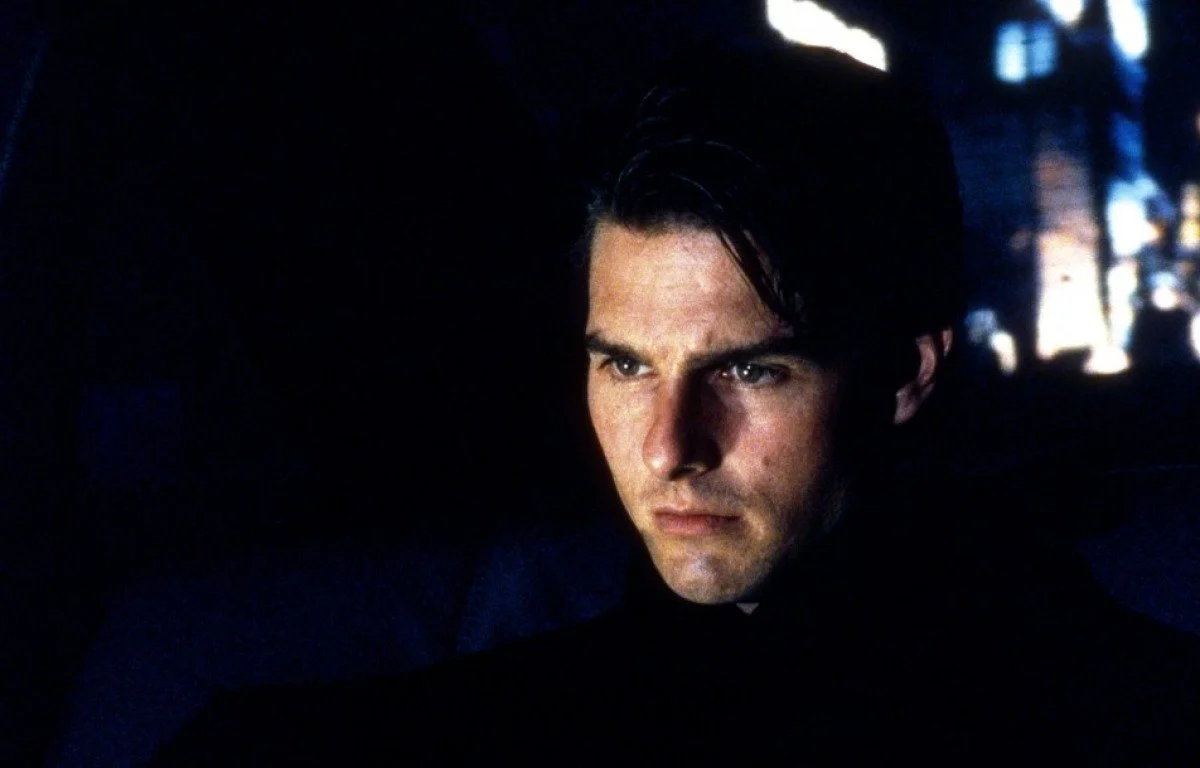
Cruise followed up that incredible run with the one two punch of Eyes Wide Shut, directed by Stanley Kubrick, and Magnolia, directed by Paul Thomas Anderson. At the time, Eyes Wide Shut was seen as a critical and box office disappointment, but it has since had a much deserved reclamation. Magnolia, however, was immediately embraced by critics (and was never expected to be a major box office player) and Cruise received his third Academy Award nomination, this time in Best Supporting Actor for his role as Frank T.J. Mackey. This was a particularly stacked year for that category: you had Haley Joel Osment’s incredible performance in The Sixth Sense, MIchael Clarke Duncan’s heartbreaking turn in The Green Mile, and Jude Law in one of his earliest and best roles in The Talented Mr. Ripley. But of course, Michael Caine took the prize for the, um, most renowned role of his career in The Cider House Rules or whatever. Look, the Oscars have gotten it wrong many times for many incredible artists and actors, and this may not quite take the cake in terms of worst win in history (*cough* Green Book *cough*), but come on!
The actor quickly moved on though, releasing Mission: Impossible II the following year, this one directed by Hong Kong action legend John Woo (Hard Boiled, The Killer). The sequel would outgross the original in every way and even became his first movie to ever cross the $200 million mark domestically and the $500 million mark worldwide. From here on out, Cruise was quite the work horse. In 2001, he had Vanilla Sky, reteaming with his Maguire director, Cameron Crowe. In 2002, there was Minority Report, with a little fella named Steven Spielberg. In 2003, he did The Last Samurai, directed by Edward Zwick (Glory). In 2004, there’s Collateral, directed by MIchael Mann (Heat), and in 2005, he reteams with Spielberg for his biggest blockbuster up to this point, War of the Worlds. All of the previously mentioned films grossed at least $100 million at the domestic box office.
For a solid twenty years, the actor consistently hit with audiences and critics alike thanks to his steadfast decision to work with the best directors in the industry, resulting
in one of the most prolific and successful rosters of films Hollywood has ever seen.
Then he jumped on Oprah’s couch and called Matt Lauer glib.
Obviously, there’s much more to it than that, but, ultimately, Cruise let that freak flag fly a little too close to the sun, and audiences were quick to reject the superstar. The highly anticipated Mission: Impossible III (directed by first time feature director JJ Abrams, a complete anomaly in his career so far) wildly underperformed at the box office compared to its predecessors, and even though the film made almost $400 million at the worldwide box office, it was seen as the first real dent in the star's box office canon, especially when just a year earlier he had his biggest hit to date with the aforementioned War of the Worlds. His follow up, Lions for Lambs, was an ensemble political drama co starring Meryl Streep and Robert Redford, with Redford also directing. On paper, this fits into Cruise’s M.O. beautifully: an Oscar winning director, THE Meryl Streep, and a juicy role for Tom as a slimy Senator. But once again, audiences weren’t having it, and the film was dead on arrival for critics as well, as it received absolutely zero awards attention. It was also around this time that the actor/producer was attempting to add another line to his resume: Studio Head. Lambs was the first movie under this brief experiment, and then came Valkyrie, a fact based thriller about a failed assassination attempt on Hitler, directed by Bryan Singer (ew). The movie was actually a decent hit, grossing around $200 million at the worldwide box office, but, once again, nowhere near the heights of his previous dramas.
In 2008, the actor took a hard left turn with his hilarious supporting turn in Ben Stiller’s Tropic Thunder as the maniacal movie producer Les Grossman. This is probably the biggest outlier in this part of Cruise’s career, as he wears a full blown cosmetic suit and goes full comedic mode (holding his own against comedy giants Ben Stiller, Jack Black, and a wonderfully insane turn by Robert Downey, Jr.) in a way we haven’t seen him before or since. The movie was a critical and box office hit, and his performance hit the zeitgeist like a freight train. However, it wasn’t until MIssion: Impossible - Ghost Protocol in 2011 that the star would have an honest to god hit sold on his name alone. Fueled by the previously mentioned Berj Khalifa stunt and an emphasis on the many IMAX sequences, the film would quickly become the highest worldwide grossing entry not only of the franchise, but of Cruise’s career.
The actor seemingly took those results to heart, because for the next 15 years Cruise starred almost exclusively in action films, and, for the most part, this strategy worked. The next four Mission: Impossible movies were all hits to varying degrees and even managed to produce one of the most acclaimed action films of this century with M:I-Fallout. Top Gun: Maverick went on to become one of the most popular movies of all time almost immediately, and it even garnered Cruise his fourth Oscar nomination and his first as a producer with the film's Best Picture nomination. What’s really interesting though, is that none of these movies had big name directors attached, at least not as big as some of those he’d partnered with previously. Obviously, Joseph Kosinski and Christopher McQuarrie have since become household directors, but that’s largely because Cruise hand picked them for his two flagship franchises, Top Gun and Mission: Impossible, respectively.
During this period, Cruise somehow became the President of Movies. His passion to keep film crews working and paid during the pandemic, and his insistence to keep Top Gun: Maverick in theaters as opposed to dumping it to streaming certainly helped cement this. But, it was also during this period that Cruise became so focused on spectacle, risking his personal safety for our entertainment. That’s not to say that he hasn’t also given his all to every performance (I would argue he was robbed of an acting nomination for Maverick), or that his movies were lacking in story, but for an actor who worked with titans like Kubrick and Scorsese, it felt like the creative risks just weren’t as important anymore.
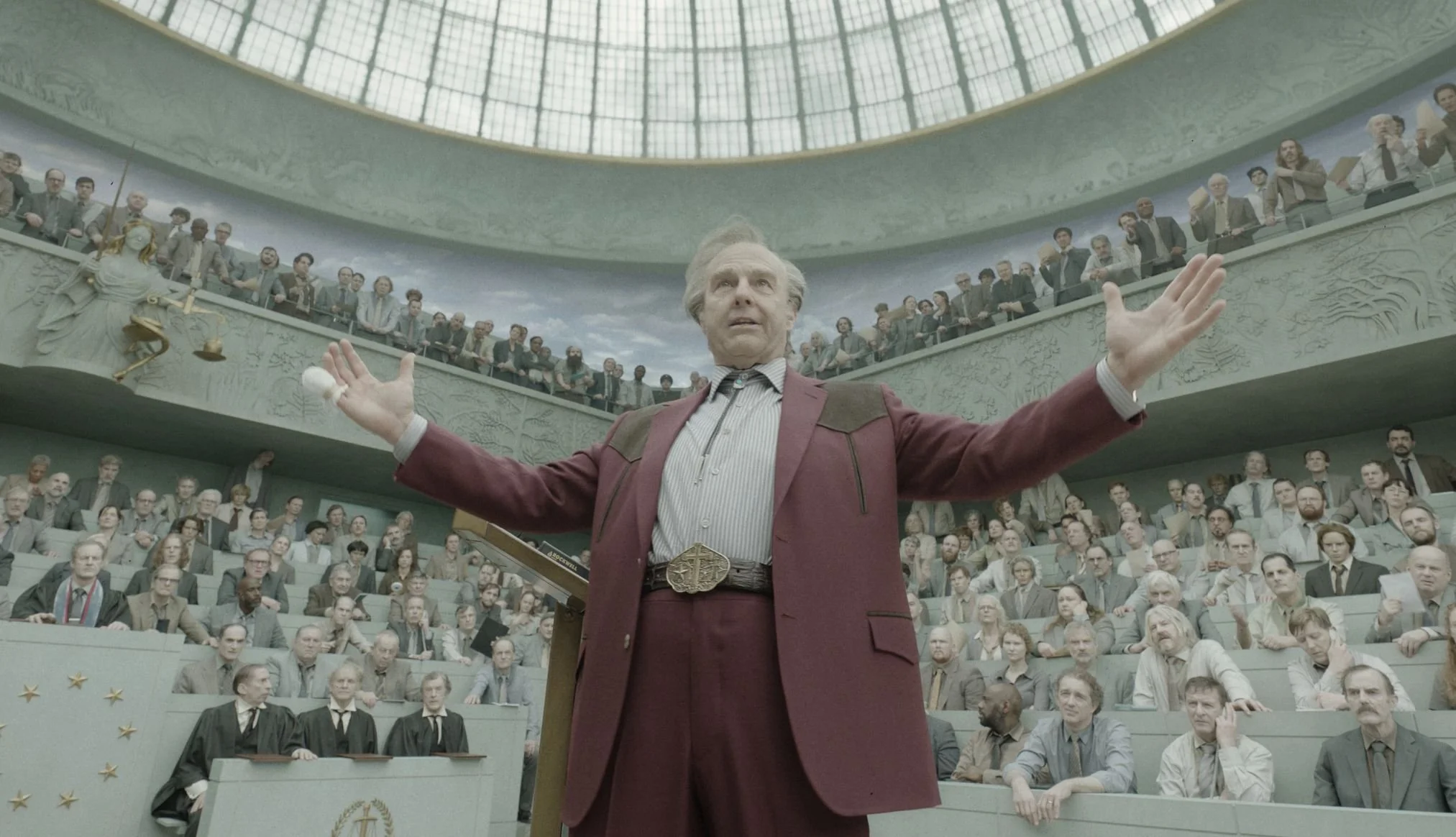
But then comes Digger, a satire seemingly birthed in the vein of Dr. Strangelove and directed by Oscar Winning director Alejandro G. Inarritu. Per IMDB, the plot goes as follows, ”The most powerful man in the world embarks on a frantic mission to prove he is humanity’s savior before the disaster he’s unleashed destroys everything.” The film looks to be one big giant swing for the fences, with the actor fully immersed in make-up to age the seemingly forever youthful Cruise. Will it work? Will audiences care? Time will tell! But, at the very least it will be a treat to see one of the biggest movie stars to ever do it take one of the biggest creative leaps of his career. Hopefully, this is just the beginning of an entirely new phase for Cruise, one where he can once again work with directors of the highest caliber and challenge both himself and the audience.
If you enjoyed this article, please consider becoming a patron of Hyperreal Film Journal for as low as $3 a month!
Robert Jordan Hunt (or Jordan, as he prefers) is a native Texan and real human person that likes watching, talking and writing about movies (he also likes his wife, step-son, and dog). If you’re not careful, Jordan will talk at you about the weekend box office report for any given weekend or year at a moments notice, and trust me, it’s not interesting. You can listen to Jordan talk with friends about movies on his podcast RJH & Friends Like Movies, as well as Very Famous Movie Podcast, which he co-hosts with John Valley and Sean Robb.
You can find Jordan on social media at:
Instagram: rjhandfriends
TikTok: rjhandfriends
Twitter: @robertjhunt