
The Dawn of the Commodification of Indie
We are in a strange iteration of history repeating itself, something that is ever-present and ever-changing, but the way in which our culture is contorting is new. As we descend further and further into depravity in our world, it is beginning to bleed into every area of our lives, and every industry that so desperately lusts for our funds follows suit in catering to our desires. I am not a historian, I am not a psychologist, but I am, however, more than qualified to talk about film, the peculiar nature of our culture, and the unfortunate yet unsurprising state of American cinema. So, that’s what I am here to do. Enter: “The Commodification of Indie”.
Independent cinema is having a large resurgence as of late, general audiences seemingly chasing the next A24 release to claim their token as a “cinephile”. Of course, this has been perpetuated by the Academy with indies like Everything Everywhere All At Once and Anora sweeping awards, Letterboxd (and the far too many platforms that emulate it) interviews all over social media, and the over discussed, crumbling hellfire that is present-day Hollywood. It really seems as though A24 was just the company producing the new Harmony Korine picture, but now everywhere you turn, “Oh, Spike Lee’s got a new A24 movie. What’s that? It’s with Apple TV?”.
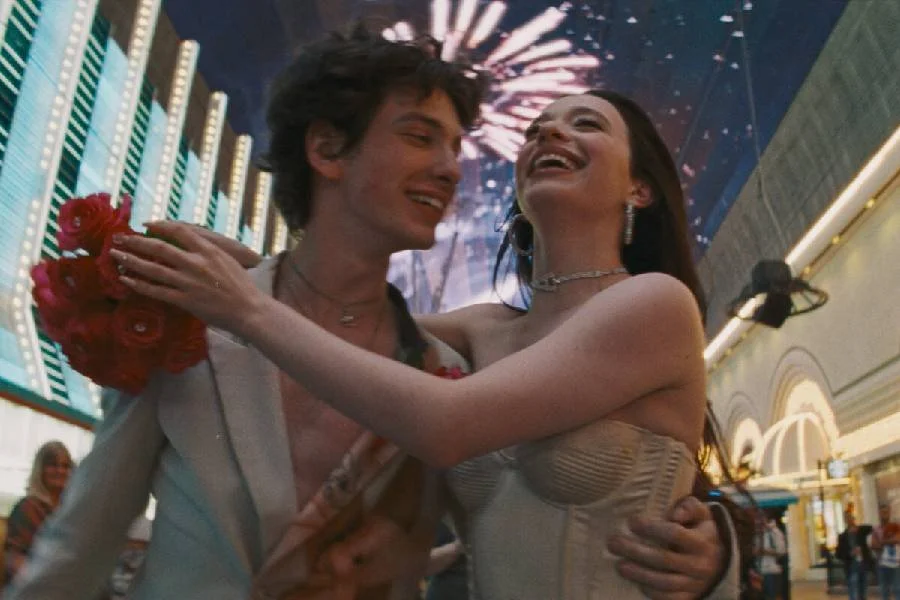
It’s funny to now hear our grandparents talking about A24 after hearing about it on the Oscars or from a Good Morning America interview. “Indie” is cool again, but is beginning to be seen as a genre or a style. Frankly, it’s a brand. And a very strange one. We all crave more original stories in film, but in this desire, general audiences are gravitating towards the “indie”, Sundance aesthetic rather than a genuine love for independent cinema. It’s not incredibly surprising this is happening– I’d even say it should be expected, but it’s certainly a little sad. Not in the sense that, “Oh no! Our one hope of cinema is gone. There goes the days of original movies! Here ye, here ye, it’s time to slurp down some good ol’ Marvel slop.” We can look to the music industry and see the same phenomena occurring with people turning to indie music, even the fucking video game industry. They all market as anti-big tech, anti-Hollywood, as small labels; Alex G, Clairo, and many of their breed signing with major labels and still riding that “indie” wave, A24 winning Academy Awards and doing motion picture deals with Apple and Netflix, and AAA video game studios dropping their attempts at the hellfire that is “mascot horror”. Movies like Emerald Frenell’s Saltburn from a few years back, or Halina Reijn’s Babygirl, are blowing up on TikTok, children across the world populating their fanbases and 30-second, AI 4K UHD Enhanced, Kinemaster watermarked clips are garnering them hundreds of thousands of followers. Is this the new soft core pornography? No longer are teenagers sneaking into the back of a slasher hoping to see boobs, but looking up cam rips of faux-arthouse flicks and writing Wattpad fanfictions about them. Weird times.
One (mostly) positive that has derived from these recent trends, however, is the somewhat newfound appreciation for directors from wider audiences. All of a sudden people want to see the next Jordan Peele movie, rather than Get Out 2. Little TikTok girls who romanticize mental illness are now parading themselves as “so Sofia Coppola-core” and 15 year old “bros” across the country get down on their knees, close their eyes, and open their mouths every time the name Christopher Nolan comes up (God forbid someone mentions Interstellar). Auteurism has entered the mainstream, and in mainstream fashion, has completed its metamorphosis and become what all things are destined to: a brand.
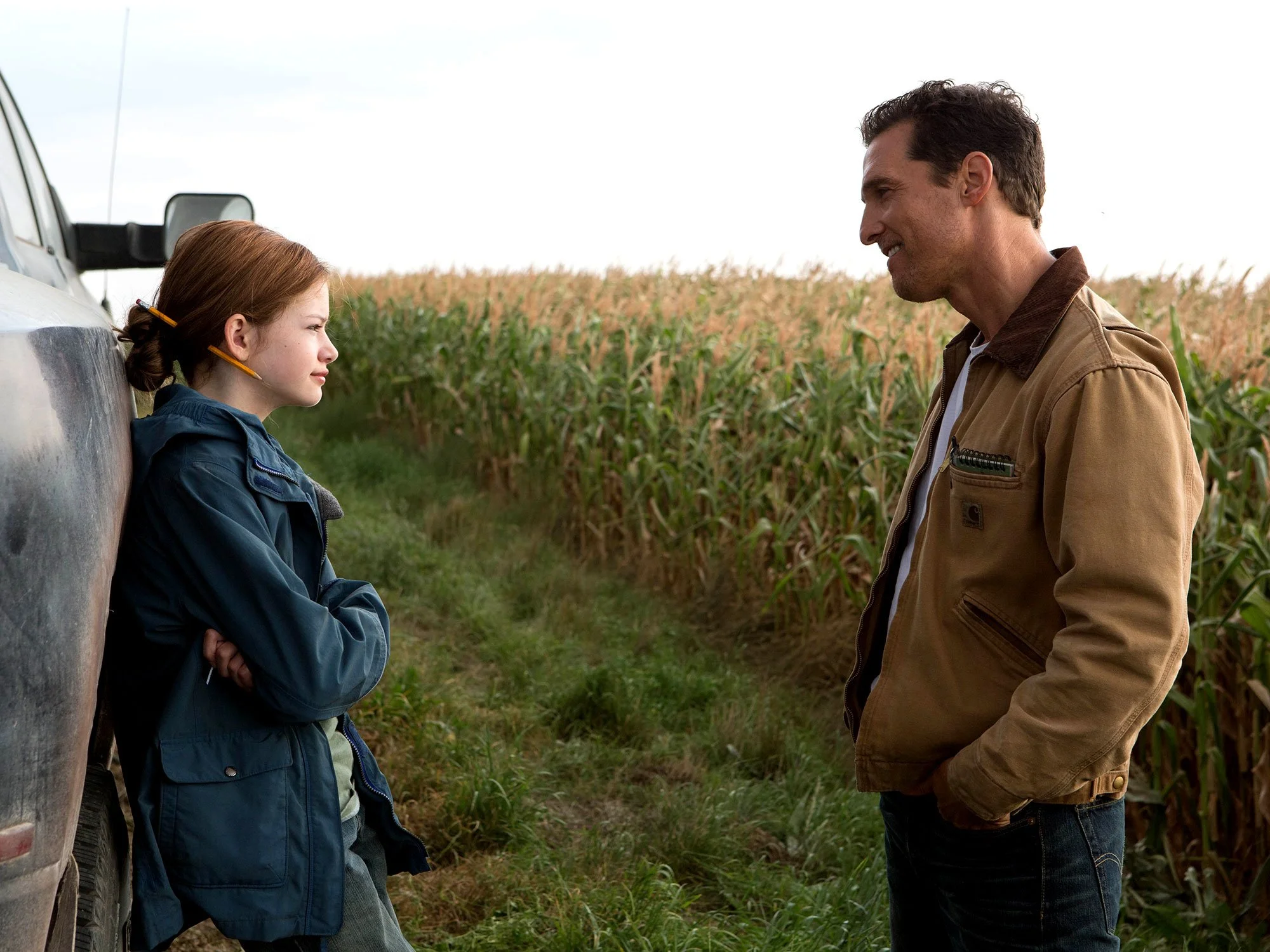
Wes Anderson comes to my mind as an example of this, his style now widely seen as an “aesthetic”, and his films becoming increasingly self-parodying. Whether you want to pretend it’s commentary, state the obvious and say it’s monetary, or simply that maybe the man is just dried up and out of ideas, it’s undeniable that he is beginning to reference himself and his new success as an “aesthetic” more than anything else. Yorgos Lanthimos, too, conjures an image in my mind while speaking on this subject, my complex relationship with his work illustrating my point well.
Since the Dogtooth days, Lanthimos has never failed to intrigue me. In fact, quite the opposite seeing as I have watched the majority of the man’s filmography. Never, however, has he particularly impressed me. Dogtooth felt forcefully dark and transgressive – a decent black comedy on the surface, but one that I felt fell apart. The Lobster was… fun? Killing of a Sacred Deer was solid, but Colin Farrell and Barry Keogan’s awkward father-son talk reminded me of how amazing Happiness (1998) was more than anything. Poor Things was a grand spectacle, probably my most enjoyed of his, but I think that could be most attributed to my fondness for the novel. But by the time Kinds of Kindness came around, my problems with Lanthimos’ work finally became evident. To me, it was an overlong amalgamation of everything that I can’t stand about Lanthimos. It felt as if Wes Anderson was forced to do his best (not great), and uninspired Lars von Trier impression. The films feel devoid of life. Even if it was rough around the edges, Dogtooth at least felt like the work of a passionate new filmmaker. Something I appreciate no matter if it's served with a dash of self-righteousness or not. It just disappoints me that even these once exciting, idiosyncratic, and transgressive filmmakers too, are following along and hopping on the “indie” train.
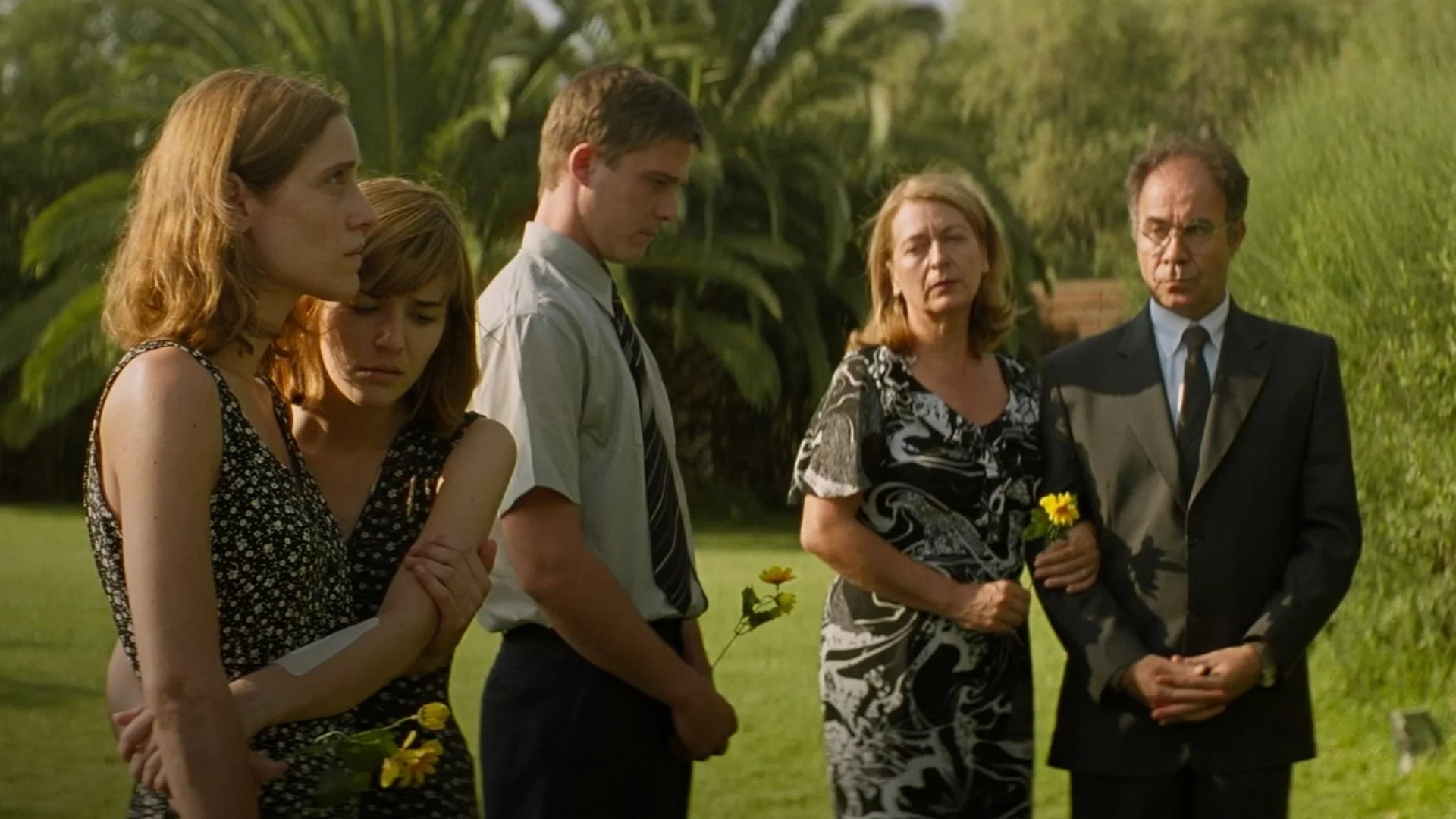
We’re taking a turn for what appears to be better, but has a secret underbite of worse with performative anti-consumerism spreading like a disease. Every headline and faux-intellectual YouTube video essay is sending the world into panic mode. People believe that Disney will be our downfall, and it’s DVDs or death. It lets them feel as though they’re standing up for a cause, leading some large protest against Big Brother! “Sick ‘em boys!”, they all say. But they are only feeding the very same companies they despise a newly packaged version of the food they rely on. Only now, the product is labeled “anti-consumerism.”
It’s fitting though, isn’t it? Really, Donald Trump and Deadpool are not as different as we may think. Everything from Disney to MAGA is taking on the same self-aware nature, preying on our desire for spectacle. It truly seems as though Matt Stone and Trey Parker are writing our lives, and the absurdity of it all is simply masking the way in which we feed the corporations, politicians, and advertisers we antagonize. We are not just witnessing, but partaking in a reinvention of the wheel where the wheel is now the hatred of said wheel. Everyone hates something, and whatever they hate, hates them. The new, hip, commodified indie space, and the brand of auteurism are just the sack of shit this wheel has handed the film industry. And as much as we are really not in a space to complain at the moment, it’s important not to be blindsighted. So please, go support independent cinema, go to the theaters, do all of the things we so desperately need. But don’t accept the bare minimum.
If you enjoyed this article, please consider becoming a patron of Hyperreal Film Journal for as low as $3 a month!
If Noah Brooks is not making a film, he is at the cinema. He is an avid reader, 60s music aficionado, and best friends with his grandma.
“Life is great. Without it, you’d be dead” - Gummo (1997)